

 In every war, there are two kinds of damage: physical destruction and emotional collapse. While buildings can be rebuilt, the human mind takes much longer to heal. Psychologists working in war-torn areas step into this space, where fear, grief, and trauma live, to help individuals rebuild what bombs and bullets could not destroy: hope, trust, and inner strength.
These professionals often risk their own safety to provide mental health care in areas where even clean water or food might be scarce. From displaced mothers in Gaza to war-fatigued soldiers in conflict zones, psychologists are saving lives not only from physical death but emotional despair.
Let’s hear from the ones who do this work and understand what psychology looks like in the heart of conflict.
Why Mental Health Work in War Zones Matters
More than 1 in 5 people in conflict zones suffer from a mental health condition such as depression, anxiety, PTSD, or psychosis. In South Asia, many war-affected regions, such as Kashmir, Afghanistan, or parts of tribal Pakistan, still lack proper psychological support.
Psychologists play a critical role here. They offer emotional triage, helping people process death, displacement, rape, hunger, and long-term uncertainty.
Without proper care:
Children grow up with unchecked aggression or withdrawal.
Adults turn to substance abuse or domestic violence.
Entire communities become emotionally unstable.
Mental health is not a luxury in war. It’s a necessity.
What Do Psychologists Do in War-Affected Zones?
Their work is not limited to therapy rooms. Here’s what a war-zone psychologist may do in a typical day:
Offer trauma debriefing after a bombing.
Counsel children who’ve seen family members die.
Train community volunteers to recognize signs of PTSD.
Support pregnant women facing high stress.
Help families manage grief and survival guilt.
Provide coping techniques in temporary shelters.
They use techniques like grounding, breathing, narrative therapy, and culturally adapted CBT. Many times, they act as both therapist and humanitarian worker, handing out food while offering emotional relief.
Real-Life Interviews: South Asian Psychologists on the Frontline
Dr. Rania Shah, a psychologist originally from Karachi, spent two years volunteering in Syrian refugee camps in Jordan. She shared:
“A 7-year-old girl came to me crying. She thought it was her fault her brother died in a missile attack. All I could do was kneel, hold her hand, and help her separate guilt from grief. That’s where healing began.”
Ahmad Nawaz, a trauma counselor from Lahore, worked with war victims in Kabul.
“I remember a man who hadn’t spoken in weeks after losing his entire family. We didn’t need a couch, just a quiet corner under a tree. Slowly, through art and stories, he found words again.”
Their courage shows how psychology becomes a lifeline, even with no buildings or beds, just the will to listen and the patience to care.
Common Mental Health Issues in War-Torn Communities
People in war zones experience trauma in layered ways:
| Mental Health Issue | Description | Common in… |
|---|---|---|
| PTSD | Flashbacks, nightmares, and emotional numbness after life-threatening experiences | Adults, children, and soldiers |
| Depression | Feelings of hopelessness, fatigue, and loss of interest in life | Widows, displaced families |
| Anxiety Disorders | Constant fear, panic attacks, hypervigilance | Civilians near bombings or conflict zones |
| Substance Abuse | Using alcohol or drugs to cope | War veterans, homeless men |
| Behavioral Issues | Aggression, bed-wetting, silence | War-affected children |
Often, people don’t even know they’re experiencing trauma. In many cultures, emotional pain is not recognized unless it causes physical symptoms, like stomachaches, fainting, or seizures.
How Psychologists Understand Conflict and Human Behavior
War activates the brain’s survival mode. The limbic system, especially the amygdala, becomes overactive. People either freeze, flee, or fight. This is where psychologists come in, not just to treat symptoms, but to understand what war does to the psyche.
They examine:
Moral injury: When someone is forced to do things against their values (e.g., harming others).
Collective trauma: When entire communities are affected by war.
Intergenerational effects: When children grow up in traumatized households and repeat patterns of fear or aggression.
These insights are crucial for peacebuilding, not just healing.
The Role of Culture and Religion in Psychological Healing
In South Asia and the Middle East, healing the mind often means involving the soul.
For example:
A psychologist in Gaza might encourage prayer as a grounding technique.
In rural Pakistan, storytelling and poetry are used to help men open up emotionally.
Some use Islamic teachings about patience (Sabr) and hope (Tawakkul) as therapeutic anchors.
Ignoring culture means therapy fails. Respecting it means therapy works.
Military Psychologists: The Mental Health of Soldiers
Military psychologists have two jobs: prepare soldiers for emotional hardship and help them recover from it. They assist in:
Pre-deployment briefings: Mental conditioning for combat.
On-field therapy: Helping soldiers cope with seeing death daily.
Post-war recovery: Treating PTSD, guilt, and reintegration challenges.
Many soldiers from Pakistan, India, or Afghanistan suffer silently due to stigma. Psychologists in the military try to normalize therapy and encourage early intervention.
What Keeps These Psychologists Going? (Resilience & Burnout)
Psychologists face their own trauma. They listen to horror daily, burned children, raped women, broken fathers.
How do they cope?
Peer support groups: Talking with fellow therapists.
Spiritual practices: Prayer, meditation.
Supervision: Discussing difficult cases confidentially.
Journaling: Writing to release stress.
Short missions: Many only work 6–12 months to avoid burnout.
Resilience for them is not the absence of pain, but the ability to keep helping despite it.
What We Can Learn from War Zone Psychologists
You don’t have to be in a war zone to benefit from their wisdom. Here’s what we all can apply:
Listen deeply. Sometimes, just listening is enough.
Don’t dismiss emotional pain, even if it seems small.
Healing takes time. Be patient, with others and yourself.
Culture matters. Understand people’s beliefs before giving advice.
Mental health is survival. In crisis or peace, it keeps families together.
War-zone psychologists remind us that pain is universal, but so is healing, if someone cares enough to sit beside it.
TL;DRad)
Psychologists working in war-torn areas support civilians, children, and soldiers facing extreme trauma and loss. Through real interviews, we see how they offer emotional healing in the harshest conditions using culturally sensitive, practical approaches. Their work highlights the deep psychological impact of conflict and offers valuable lessons on resilience, empathy, and the importance of mental health care during crises.
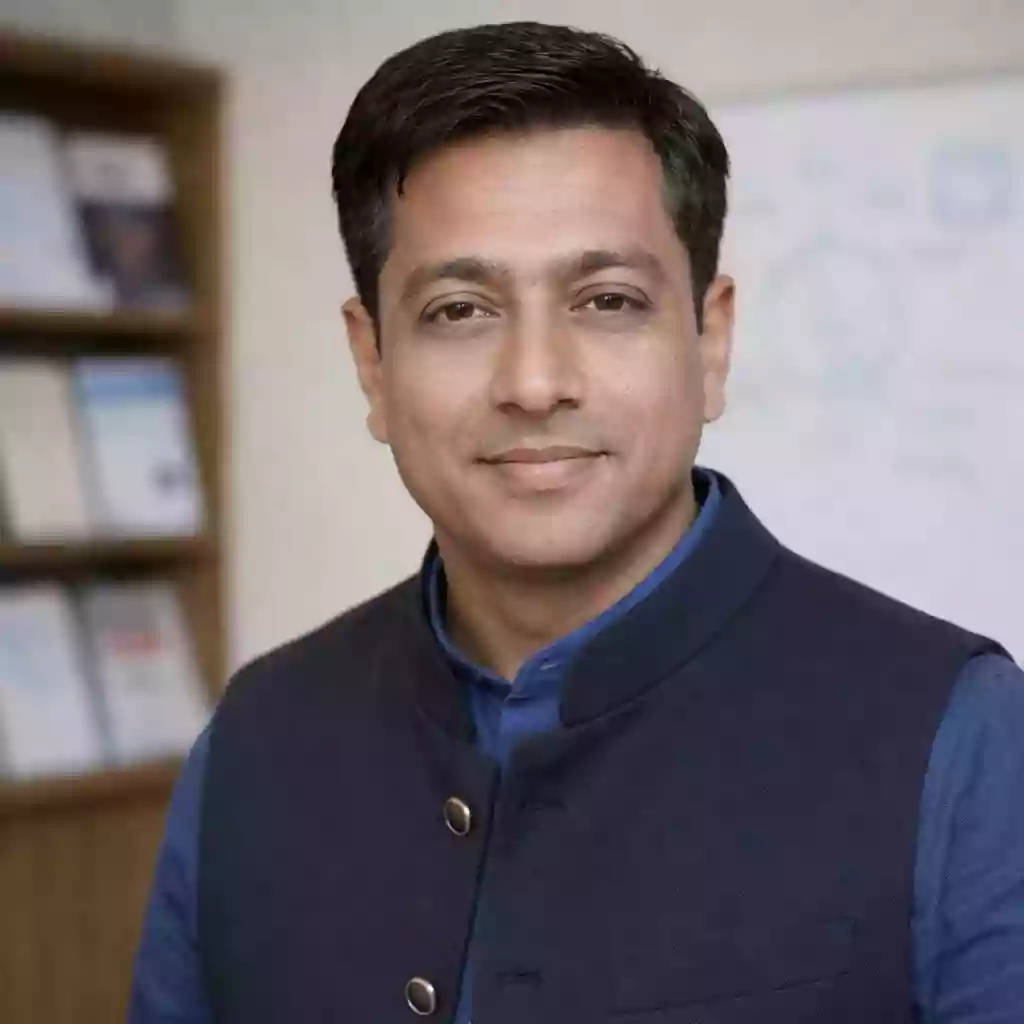
Imran Shahzad, M.Sc. Psychology (BZU, 2012), shares real-world mental health tips and emotional guidance in simple English for everyday South Asian readers. He worked closely with individuals facing grief, emotional loss, and life transitions, translating real-world psychological experiences into practical guidance for everyday readers.