

 In Pakistan alone, more than 50,000 students graduate with psychology degrees every year, yet many still ask: “What next?” While some dream of becoming therapists or researchers, others feel uncertain or pulled in different directions, especially when families, society, or job markets add pressure. That’s why real stories from psychology graduates matter.
Hearing how others navigated the same road, through university halls, internship confusion, grad school interviews, and job choices, can give us the clarity we crave. This article brings you those real voices and adds guidance on preparing for psychology interviews, choosing career paths, and building your own story.
Why Interviews Matter in Psychology Education
An interview isn’t just a conversation. It’s a mirror. It reflects not only what you know but who you are becoming. In psychology, interviews hold a special place, for both academic selection and professional use.
During grad school admission, interviews are used to evaluate a student’s readiness, personality, ethical mindset, and motivation. You may have a great GPA, but if you can’t express why you care about psychology, you’re likely to struggle.
And later, as a working psychologist, interviews are also part of your toolset. Clinical interviews, for instance, help assess a client’s mental health, identify behavioral symptoms, and decide treatment plans.
Here’s what matters:
Academic Interviews: Focused on potential. They assess your understanding of the subject, your long-term goals, and your emotional readiness to work in mental health.
Professional Interviews: Used for diagnosing, counseling, and even coaching. A therapist’s skill to ask the right question, gently and wisely, can change lives.
For South Asian students, where public speaking confidence may not always be encouraged, learning to speak clearly and calmly during interviews can make a big difference.
How to Prepare for a Psychology Grad School Interview
Graduate psychology programs are competitive. Whether you’re applying for M.Phil Clinical Psychology, a diploma in counseling, or MS in organizational behavior, interview preparation is crucial.
Here’s a practical checklist to get you ready:
Understand the Interview Format
Most M.Phil and MS psychology programs in Pakistan conduct in-person or panel interviews.
They may include: personal questions, ethical scenarios, theory-based questions, and applied case discussion.
Common Questions
Why do you want to pursue advanced psychology?
What area are you most interested in (e.g., clinical, counseling, organizational)?
Describe a time you handled emotional stress.
How would you manage a client showing signs of severe depression?
How to Answer Smartly
Use real-life examples from internships or personal experiences.
Stay calm and structured. Think before you speak.
Show self-awareness and cultural understanding.
Don’t memorize answers, be authentic.
What Interviewers Want
Clear motivation for choosing psychology
Empathy and basic emotional intelligence
Cultural sensitivity (important in South Asian settings)
Understanding of ethical boundaries
“One teacher asked me how I would deal with a suicidal teenager. I paused and said, ‘I’d listen first. Really listen.’ That was the moment they nodded.”
, Farheen A., Clinical Psychology M.Phil Student, Lahore
Most Common Career Paths for Psychology Graduates
Many psychology students assume they have only two roads, clinical practice or teaching. But reality is richer. Here are popular career paths psychology graduates in South Asia often pursue:
Clinical Psychology
Requires an M.Phil and license (from PCP or recognized institute)
Work includes therapy, counseling, assessments
Popular in hospitals, clinics, and NGOs
Educational/School Psychology
Often pursued with a diploma or certification
Common in private schools and educational consultancies
Focus on child behavior, learning issues, parent guidance
Organizational/Industrial Psychology
Growing field in HR departments and corporate training
Roles include recruitment, employee well-being, motivation analysis
Often needs a psychology degree + HR or business training
Content Creation and Online Mental Health
Social media counselors, psychology bloggers, YouTube educators
Especially popular among graduates comfortable in digital spaces
Psychology knowledge + communication skills = strong reach
Research and Academia
Requires further studies (MS/M.Phil or PhD)
Work includes publishing studies, teaching, university roles
“I thought I had to open a clinic, but I found my passion in HR. Psychology helps me read people better. That’s my superpower.”
, Waqas S., HR Manager, Psychology Graduate (PU)
Stories from Graduates: Real Interviews and Insights
Let’s meet four psychology graduates from Pakistan, each with a different journey.
Mahnoor – School Counselor in Multan
After finishing her BS Psychology from BZU, Mahnoor applied to a private school as a behavioral coach. “I didn’t even know school counseling was an option,” she says. Now she supports children with ADHD and emotional problems, conducts sessions with parents, and helps teachers understand classroom psychology. “It’s not therapy, but it changes lives every day.”
Imran – Corporate Trainer in Karachi
Imran loved psychology but didn’t want to work in hospitals. After completing a diploma in Organizational Psychology, he joined a training company. Today, he leads sessions on leadership, stress management, and workplace motivation. “I get to use psychology in boardrooms, not clinics. That’s powerful.”
Ayesha – M.Phil Student at Punjab University
She spent 8 months preparing for her M.Phil Clinical interview. “I wrote possible questions on flashcards and practiced with friends.” Now she’s doing clinical placements in a mental hospital and hopes to start her own practice for female mental health. “The interview was tough, but they just wanted to know if I could connect, with theory, and with people.”
Rizwan – Migrated to Canada, Now in Youth Services
Rizwan used his psychology degree as a base for moving abroad. After settling in Canada, he joined a youth rehabilitation program. “The theories are the same, but how we apply them changes with culture. My Pakistani background helps me connect with South Asian youth who feel lost in the West.”
What Students Should Learn from These Interviews
Psychology is not one straight road. And that’s okay. Here’s what real graduates teach us:
Key Takeaways:
Your path may shift – and that’s normal.
Skills like listening, emotional control, and ethics are more important than GPA alone.
Interviews are a chance to express your values, not just your knowledge.
Cultural background shapes how we practice psychology, especially in South Asia.
Practical Advice for Psychology Students:
Join seminars, webinars, or volunteer in clinics, even if unpaid
Build confidence by practicing mock interviews with seniors
Stay updated on local psychology institutes and job trends
Ask yourself honestly: Do I want to heal, teach, lead, or research?
Focus on soft skills, especially empathy, clarity, and non-judgmental attitude
Psychology is not just a subject, it’s a life path. And every graduate’s story is a reminder: you are allowed to design your own career, one step at a time.
TL;DR
Real interviews with psychology graduates show that career paths after a degree are diverse, ranging from clinical work to HR and counseling. Preparing for grad school interviews requires emotional clarity, confidence, and cultural understanding. Stories shared in this article offer relatable, practical insights for South Asian students choosing their path. Interviews aren’t just checkpoints, they’re chances to define your purpose.
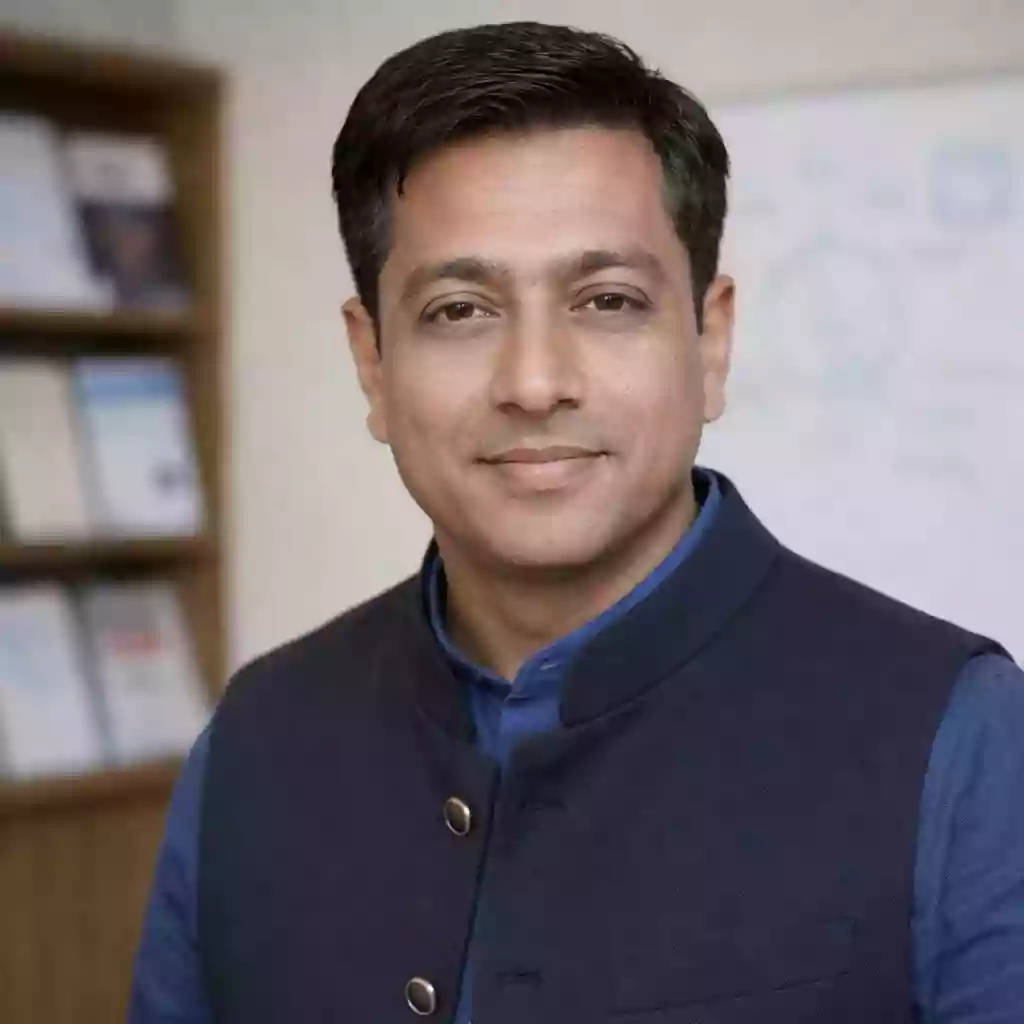
Imran Shahzad, M.Sc. Psychology (BZU, 2012), shares real-world mental health tips and emotional guidance in simple English for everyday South Asian readers. He worked closely with individuals facing grief, emotional loss, and life transitions, translating real-world psychological experiences into practical guidance for everyday readers.