
 Prison is not just about bars, walls, and locked gates. It is about time lost, dignity questioned, and a constant fight to hold on to one’s humanity. Yet, when someone walks out of prison, the story does not end there. In many ways, it begins again, with rebuilding life from scratch.
For many, rebuilding life after prison is filled with challenges, social stigma, rejection, job barriers, and emotional scars. But it is also filled with remarkable examples of resilience, courage, and growth. Across the world, thousands of men and women have managed to build meaningful lives after incarceration, proving that one’s past does not define one’s future.
This article will walk through the psychological struggles of life after prison, the support systems that make reintegration possible, and inspiring real-life stories of transformation. It will also highlight practical psychological tips for ex-prisoners who want to rebuild their lives with strength and hope.
The Emotional Weight of Prison Experience
Being in prison changes a person. It is not only about physical confinement but also about the mental scars that follow. People often describe prison as a place where time stands still. Days blend into months, and years vanish without growth or opportunity.
Psychologists note that long-term incarceration often brings:
Loss of autonomy – Every action is controlled by prison rules.
Isolation – Separation from family and society breaks emotional bonds.
Learned helplessness – Over time, some individuals stop trying to control their lives.
Institutionalization – Adjusting so deeply to prison life that the outside world feels strange and threatening.
Former prisoners often describe reentry as stepping into a world that has moved on without them. Technology has advanced, family dynamics have changed, and jobs require skills they may not have. This emotional shock is one of the hardest parts of rebuilding life.
Can You Have a Good Life after Prison?
The simple answer is yes, but not without effort and support. Many ex-prisoners rebuild their lives successfully. They get jobs, reconcile with families, and even start businesses or lead community initiatives.
However, the obstacles are real:
Stigma – Society often labels them as criminals, even years after release.
Employment challenges – Many companies avoid hiring people with a criminal record.
Housing issues – Landlords may reject applicants with past convictions.
Mental health struggles – Depression, anxiety, and PTSD are common.
The good life after prison comes from resilience, support systems, and opportunities. Countries that focus on rehabilitation rather than punishment see lower reoffending rates. For example, in Norway, where prisons emphasize education and reintegration, the reoffending rate is less than 20%. In contrast, in the U.S., it is over 60%.
This shows that with the right approach, therapy, skills training, and community acceptance, a meaningful and dignified life is possible.
The Role of Rehabilitation Programs
Rehabilitation is not a single process but a combination of efforts that help former prisoners reintegrate into society.
Education and Skill Development
Learning a trade, getting vocational training, or completing academic courses while in prison often becomes the foundation for a fresh start. Studies show that prisoners who participate in education programs are 43% less likely to return to crime.
Therapy and Counseling
Many former inmates carry trauma from childhood, abuse, or prison experiences. Therapy helps in emotional regulation, stress management, and dealing with guilt. Group counseling often gives them a sense of belonging and hope.
Community Support
Families, NGOs, and community groups play an essential role. Support groups help with job placements, housing, and moral encouragement. Faith-based groups, too, often provide emotional strength and a sense of acceptance.
Real-Life Success Stories of Ex-Prisoners
Stories breathe life into statistics. Here are some inspiring examples of people who rebuilt after prison:
Malcolm X – Spent years in prison, where he educated himself. After release, he became a leading voice for civil rights and personal transformation.
Jeff Henderson – Once imprisoned for drug trafficking, he became a celebrated chef and motivational speaker, inspiring thousands to choose a better path.
Shaka Senghor – Spent 19 years in prison, later became an author and mentor, speaking about forgiveness and second chances.
Each of these stories shows that the human spirit, when supported, can rise above even the darkest chapters.
Psychological Barriers to Reentry
Even with support, former prisoners face invisible battles.
Shame and Guilt – Many feel unworthy of a second chance.
Post-Traumatic Stress Disorder (PTSD) – Especially for those exposed to violence inside prison.
Fear of Rejection – Anxiety about being judged or abandoned by society.
Identity Struggles – Moving from being labeled “inmate” to being accepted as a citizen again.
Overcoming these barriers requires self-compassion, therapy, and gradual rebuilding of trust with family and community.
What Is the Most Successful Method of Rehabilitating Prisoners?
Research shows that restorative justice and skill-based rehabilitation are the most effective.
Restorative Justice – Focuses on repairing harm by bringing offenders and victims together to promote healing and accountability.
Vocational Training – Prepares inmates with practical job skills that directly reduce reoffending.
Mentorship Programs – Ex-prisoners mentored by community leaders or successful former inmates are more likely to rebuild effectively.
The key is not punishment but preparing individuals for life after release.
The Longest Survivors of Prison Life: Lessons in Resilience
Some people spend decades in prison, yet still find strength to rebuild.
For example, Nelson Mandela spent 27 years in prison. After release, he did not give into bitterness but led South Africa toward peace and reconciliation.
From such long survivors, we learn the power of mental resilience, forgiveness, and hope. Prison can break the body, but it cannot permanently break the spirit of someone who chooses to rise.
Family and Relationship Healing after Prison
Family is often the first and strongest support system for former prisoners. Yet, prison can strain bonds to the breaking point.
Healing requires:
Forgiveness – Both self-forgiveness and family forgiveness.
Communication – Honest conversations about the past and future.
Consistency – Families need to see steady commitment, not just promises.
Emotional reunions, while heartwarming, are only the start. Rebuilding trust is a longer journey. Families that go through therapy together often strengthen their bonds after such a crisis.
Building a Positive Identity after Release
One of the hardest psychological tasks after prison is to create a new identity that is not defined by past mistakes.
Overcoming Stigma in Society
This requires challenging stereotypes and proving worth through consistent positive action.
Finding Purpose through Work and Service
Jobs, volunteering, or even starting small businesses allow former prisoners to create value for themselves and society.
Personal Growth and Self-Compassion
Ex-prisoners who practice mindfulness, journaling, and personal development often find inner peace and direction.
Practical Psychological Tips for Ex-Prisoners
Here are everyday strategies for building mental strength and emotional stability:
Start small – Focus on daily habits rather than giant life changes.
Seek therapy – Professional help can ease trauma and stress.
Build support networks – Join community groups and reconnect with family.
Learn new skills – Education opens doors and boosts confidence.
Practice mindfulness – Meditation and journaling reduce anxiety.
Set realistic goals – Break big dreams into achievable steps.
Stay patient – Change takes time, but every step forward matters.
A Hopeful Path: From Prison to Personal Growth
Prison does not have to be the end of someone’s story. It can be a chapter of transformation. Yes, the struggles are real, stigma, trauma, and rejection, but so is the possibility of healing, growth, and contribution.
Every successful story of rebuilding after prison shows that with resilience, support, and opportunities, people can reclaim their dignity and live meaningful lives.
The message is simple: No one is only their past. A second chance is not just possible, it is powerful.
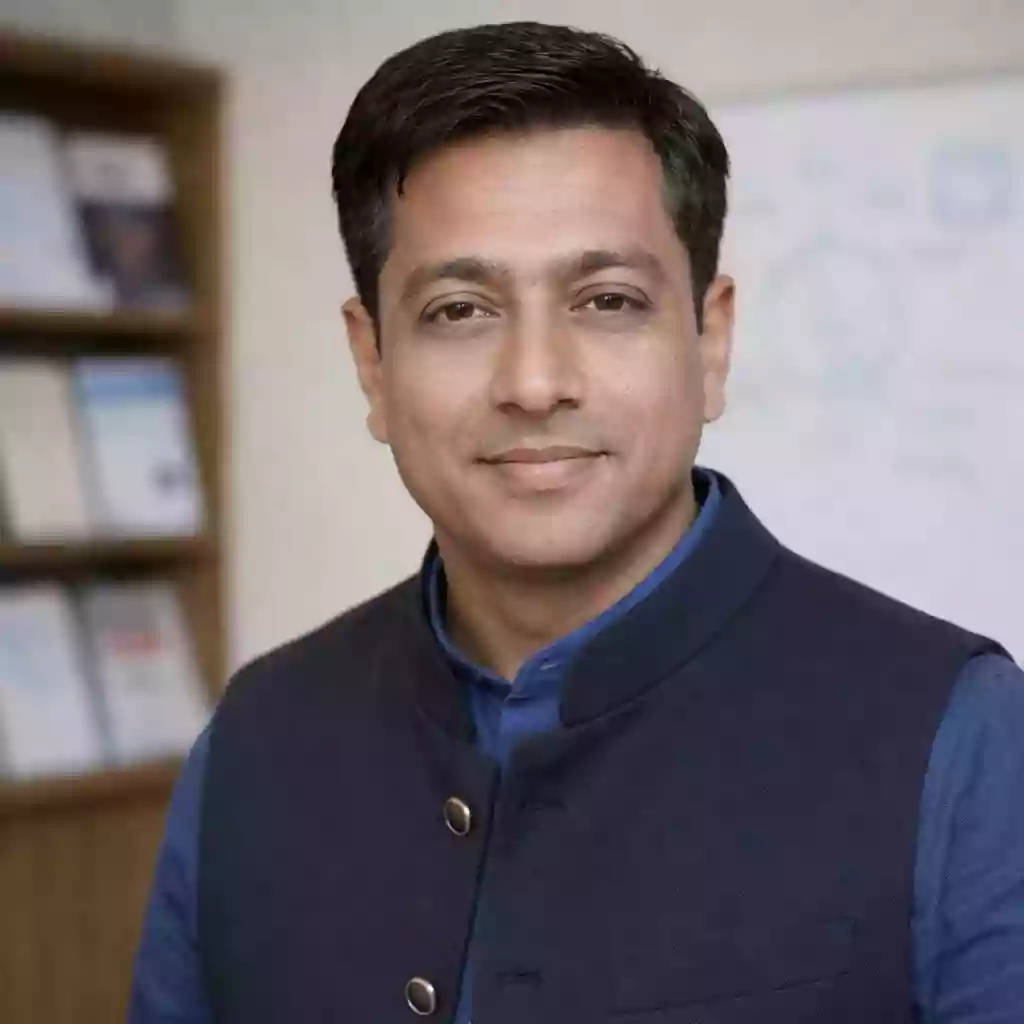
Imran Shahzad, M.Sc. Psychology (BZU, 2012), shares real-world mental health tips and emotional guidance in simple English for everyday South Asian readers. He worked closely with individuals facing grief, emotional loss, and life transitions, translating real-world psychological experiences into practical guidance for everyday readers.
We really connected with this piece. Your article captures that mix of fear, hope, and rebuilding so honestly.