
 In today’s demanding and often emotionally draining world, many people overlook two simple but powerful tools for growth, art and music. Yet, studies show that children who engage in music early on are more emotionally stable, and adults who draw or paint regularly report reduced anxiety and better self-awareness.
In Pakistan and other South Asian countries, music and visual expression are woven into cultural life. From traditional folk songs to mehndi designs, art and music have always been more than entertainment, they’re healing, grounding, and educational.
Let’s understand how these creative tools help in shaping the mind and nurturing emotional well-being.
How Art Enhances Self-Understanding and Expression
Art speaks where words fall short. A person holding a pencil or paintbrush isn’t just making lines, they’re expressing what’s buried deep inside.
For many, emotions are hard to explain. That’s where art steps in.
Teenagers can express loneliness, anger, or confusion through sketching.
Adults use painting or mandala coloring to process stress.
Children often draw what they feel before they can explain it.
When you make art, you slow down and reflect. This naturally builds self-awareness. In psychological terms, this is a form of emotional regulation, a skill vital for healthy relationships and decision-making.
Even simple activities like coloring reduce negative thoughts. People feel calmer, more present, and more in tune with themselves. Over time, this repeated self-expression creates personal insight and emotional balance.
“The act of creating helps organize internal chaos.”
Music and Its Role in Emotional Healing
Have you ever cried while listening to a song? Or felt motivated after hearing a national anthem? That’s because music doesn’t just go to your ears, it goes straight to your emotional brain.
When we hear music, it activates:
The amygdala (controls emotional response)
The hippocampus (involved in memory)
Dopamine release (related to pleasure and reward)
This makes music a natural antidepressant. In fact, many therapists now use music therapy to treat trauma, depression, and anxiety. Even listening to calming tunes before sleep can reduce stress.
In South Asia, music is deeply emotional, ghazals, sufi songs, naats. These forms help people connect spiritually and emotionally with themselves and their culture.
Music creates a sense of safety. It holds our emotions like a container, helping us process what we don’t understand with words.
Building Confidence and Self-Worth Through Creativity
Every time you complete an art piece or master a song, your brain celebrates a win.
This is why art and music are important for self-esteem and confidence.
Children feel proud after finishing a drawing.
Teens gain confidence after performing music, even if it’s only in front of family.
Adults feel capable when they create something beautiful or meaningful.
This process supports a growth mindset, the belief that you can improve with effort.
Instead of focusing only on grades or income, creative efforts remind people of their inner worth. That’s crucial for those who feel unnoticed, especially in large joint families or stressful jobs common in our region.
Confidence doesn’t come from applause. It comes from doing, creating, and improving.
The Cognitive Benefits: Memory, Focus, and Problem-Solving
Art and music aren’t just emotional tools. They shape how we think, remember, and solve problems.
Research shows:
| Activity | Mental Benefit |
|---|---|
| Playing a musical instrument | Improves memory and coordination |
| Sketching or painting | Enhances focus and patience |
| Singing or composing | Strengthens language skills |
Music engages both sides of the brain, logical and creative. That’s why students involved in music often perform better in math and language.
Likewise, coloring or design improves visual thinking and helps manage perfectionism.
For students, this means better concentration. For adults, it means mental flexibility. For elders, it helps keep memory active and reduces dementia risk.
Cultural Connection and Identity Formation
In Pakistan, India, and Bangladesh, art and music carry heritage.
From truck art in Punjab to sitar in classical music, these aren’t just traditions, they’re part of identity.
When young people learn regional instruments or traditional crafts, they:
Feel pride in their roots
Strengthen family bonds
Form a stable sense of self
In a globalized world, many youth feel lost between modern pressure and cultural values. Practicing local art forms grounds them.
It helps answer the question, “Who am I?”
This is especially important in teenage years and early adulthood, when identity confusion is common.
Everyday Ways to Include Art and Music in Personal Growth

You don’t have to be an artist or musician to enjoy these benefits. Here’s how to make art and music part of your life:
For Students
Draw concept maps or sketch after study sessions
Listen to instrumental music while revising
Try a music app like BandLab to experiment with tunes
For Parents
Offer coloring tools to your kids as emotional outlets
Sing simple songs or lullabies to bond with infants
Encourage small family music shows at home
For Working Adults
Use background music during work to improve focus
Keep a visual journal, just five minutes of doodling a day
Join local calligraphy, pottery, or harmonium classes
For Seniors
Revive old musical memories by listening to golden-era songs
Paint spiritual symbols or floral designs for peace
Share childhood art or music memories with grandchildren
Remember, it’s not about perfection. It’s about feeling, expressing, and enjoying.
Why We Must Value Art and Music in Mental Health
Art and music don’t just entertain, they heal. In countries like ours, where mental health support is still developing, creative expression is a low-cost, high-impact support system.
Sadly, many schools in Pakistan have cut arts and music programs. Families see them as distractions. But in reality, they help students build stronger minds and better futures.
We need to:
Promote art and music in schools
Encourage children and adults to create without judgment
Recognize emotional well-being as part of success
Personal development is not just about achievements. It’s about knowing yourself, regulating your emotions, and living fully. Art and music help you do that.
Make space in your life for a little rhythm, a little color, and a little feeling. It might change everything.
TL;DR
Art and music help people express emotions, improve self-understanding, and boost confidence. They also sharpen memory and reduce stress. In South Asian culture, these tools are part of our identity. Whether drawing, singing, or just listening, creative activities support personal growth at every stage of life.
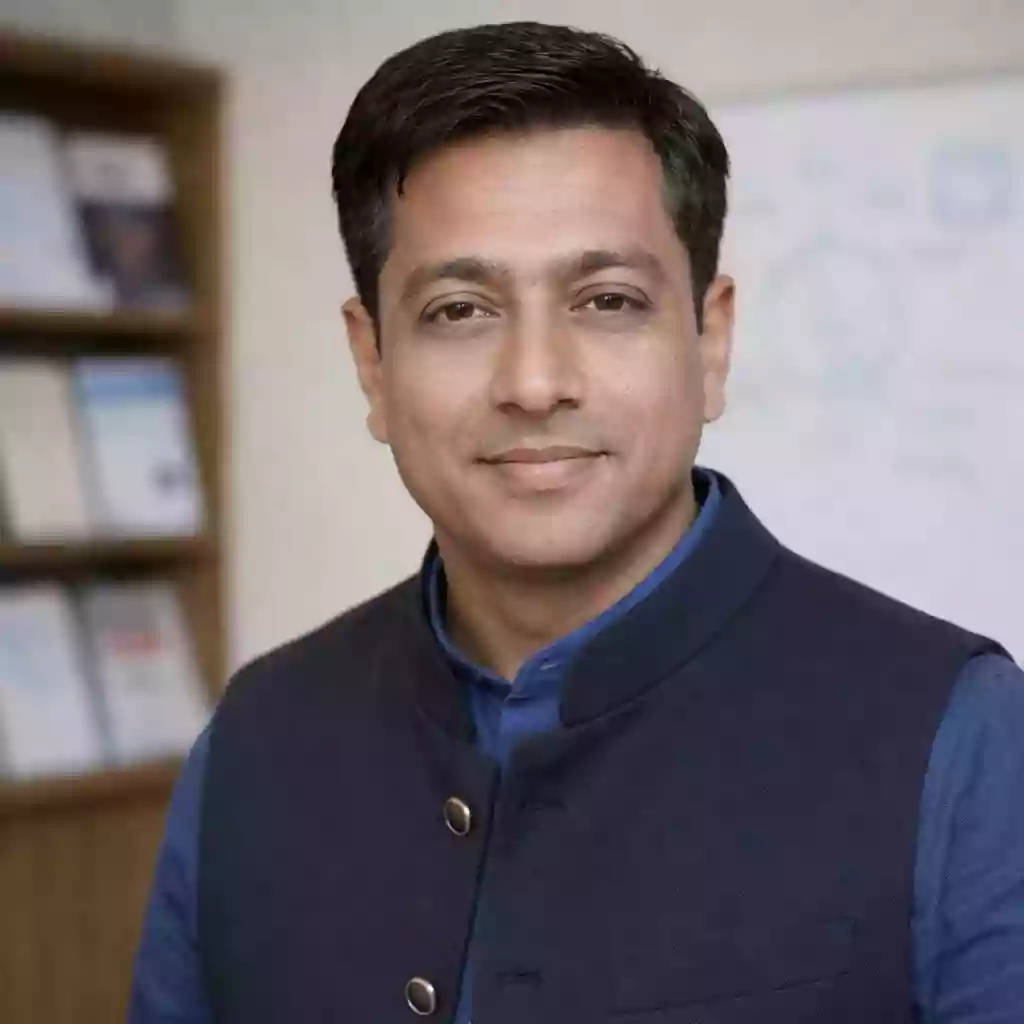
Imran Shahzad, M.Sc. Psychology (BZU, 2012), shares real-world mental health tips and emotional guidance in simple English for everyday South Asian readers. He worked closely with individuals facing grief, emotional loss, and life transitions, translating real-world psychological experiences into practical guidance for everyday readers.