

 Have you ever noticed how some people seem mentally stronger just because they have others around them? That’s the quiet power of community involvement. It’s not just about doing good, it’s about feeling good too.
Whether you live in a big city like Lahore or a small town near Multan, being part of a community gives you strength, comfort, and emotional support you may not even realize you need. Let’s understand why it matters so much.
What Is Community Involvement?
Community involvement means taking part in your surroundings. It’s when people join together to help, support, and uplift each other.
This doesn’t always mean joining big organizations or working with charities. It can be as small as:
Helping a neighbor carry groceries
Teaching local kids after school
Organizing a street cleaning day
Sitting with an elder who needs someone to talk to
Involvement is about action, presence, and connection. You give your time, your heart, and your presence not necessarily your money or power.
Different Ways People Get Involved
There’s no one-size-fits-all. Some people attend local welfare programs. Others donate used clothes to someone nearby. Many host Quran circles, sports matches, or small food drives during Ramadan.
These actions help others but they also improve your emotional health.
It’s Not Always Formal
You don’t need a title or uniform to make a difference.
Visiting a sick neighbor
Participating in local Eid events
Offering to babysit for a working mother
These small efforts create deep bonds. You feel connected, seen, and useful.
Why Is Community Involvement Important for Mental Health?
Mental health isn’t just about therapy or medication. It’s also about connection. Humans are social by nature. When we feel isolated, our minds suffer.
Community involvement:
Fights loneliness
Reduces stress
Builds self-worth
Gives purpose
You feel like you matter. Like your actions help someone breathe easier, even for a moment. That feeling can protect your mind from sinking into sadness or hopelessness.
Builds Emotional Resilience
When tough times come loss, unemployment, illness your community becomes a safety net. Someone brings food. Someone checks in. Someone listens.
Knowing you’re not alone makes life easier to handle.
Encourages Empathy and Understanding
Being involved teaches you patience. You see that others struggle too. You start caring about someone else’s pain. This empathy makes you kinder to yourself and others.
How Community Support Impacts Daily Life
In South Asia, especially, community isn’t a luxury it’s a way of life. From family gatherings to local events, people are constantly in each other’s lives. And that’s a good thing when done right.
Strong communities mean:
Safer neighborhoods
Shared parenting support
Emotional backup during crisis
Less crime
More accountability
Local Support in Crisis
Think about times when floods hit areas of Pakistan or when electricity fails in a neighborhood. Who shows up first?
The community.
Before the government even reacts, local people form help chains. They cook together. They shelter each other. That’s the power of involvement.
Better Behavior Among Youth
Teens who feel disconnected often fall into risky behavior. But if they’re part of a cricket team, a reading club, or a mosque youth group they feel guided, seen, and valued.
This lowers chances of drug use, aggression, or academic failure.
Community and Identity in South Asia
Here, your identity isn’t just “me” it’s “we.” You’re not just a person; you’re part of a family, a clan, a village, or a block.
That closeness is beautiful but sometimes pressuring too.
Joint Families and Local Traditions
In many joint families, elders, children, cousins, and parents live together. It teaches responsibility, sharing, and emotional bonding. When one person suffers, all feel it. That can be comforting.
For example, if a widow is raising kids alone, neighbors often step in dropping food, guiding her children, or just offering company.
Cultural Pressures and the Need for Balance
But sometimes, involvement turns into interference. Community starts judging rather than helping.
“Why aren’t you married yet?”
“Your daughter goes to university alone?”
“He failed again what a shame.”
This side of community can harm mental health. That’s why balance is key.
Be part of your community, but don’t let its pressure crush you.
Steps to Get More Involved
If you’re wondering how to start, here’s the good news: It doesn’t require big plans.
Simple Ways to Start
Greet your neighbors regularly
Help someone cross a busy road
Organize a book or clothes donation
Offer your time, not just your opinion
Encourage children in your street to learn together
Plant a tree with a local group
Visit a government hospital ward and share water or fruit
These are not huge acts but they matter deeply.
Stay Consistent, Not Perfect
You don’t have to help everyone, every day. Even one small act each week creates a habit of empathy.
Consistency builds relationships. Relationships build trust. Trust builds healthier minds and stronger communities.
Final Thoughts – Why Your Role Matters
You don’t need a degree or fame to be important. You already are.
When you get involved in your community, you feel emotionally fuller. You think beyond your stress. You become part of a healing chain that benefits everyone especially yourself.
The more you give, the more mentally strong you become.
You matter. Your efforts matter. And your community is waiting for your kindness.
Benefits of Community Involvement
| Benefit | How It Helps |
|---|---|
| Emotional Support | Reduces stress, anxiety, and isolation |
| Purpose | Increases sense of meaning and value |
| Belonging | Creates strong social connections |
| Mental Resilience | Helps cope with personal or social challenges |
| Positive Role Models | Especially helps guide youth and teens |
Want to Feel Better? Start With Others
Many emotional problems don’t need complex answers they just need company. A shared cup of chai, a walk with a neighbor, or a visit to someone lonely.
Community involvement doesn’t cost money. It costs presence.
And in return, it gives you peace, confidence, and emotional balance.
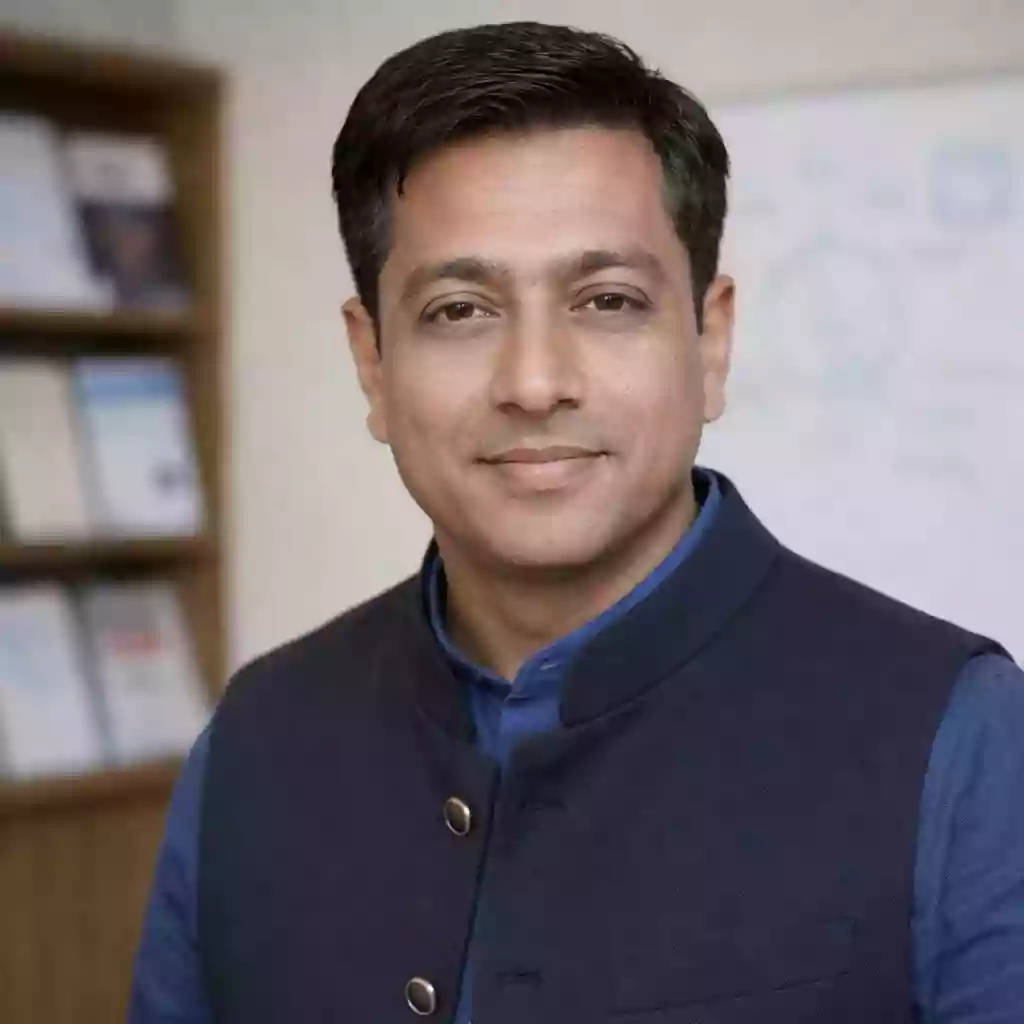
Imran Shahzad, M.Sc. Psychology (BZU, 2012), shares real-world mental health tips and emotional guidance in simple English for everyday South Asian readers. He worked closely with individuals facing grief, emotional loss, and life transitions, translating real-world psychological experiences into practical guidance for everyday readers.