

 A positive attitude doesn’t solve all your problems, but it makes it easier to face them. Research from the Mayo Clinic shows that positive thinkers have lower levels of stress and better physical health. In South Asia, where daily stress from work, studies, or family expectations is common, the way you think shapes how well you survive emotionally.
Let’s break down how powerful a positive mindset truly is, and how you can build one, even when life is difficult.
What Is Meant by a Positive Attitude?
A positive attitude means choosing to focus on the good, even when things are tough. It’s not fake smiling or ignoring problems. It’s the habit of hope, resilience, and confidence in your ability to handle challenges.
In daily life, this looks like:
Believing that failure is temporary
Finding something to be grateful for even in hard times
Looking for solutions instead of getting stuck in complaints
Take for example a student in Multan who fails a test. One attitude says, “I’m useless.” A positive attitude says, “I need to work harder next time.” That simple shift changes the emotional reaction from shame to motivation.
Why Is a Positive Attitude So Powerful?
A positive attitude directly affects how your brain handles stress, pressure, and uncertainty. When your mindset is hopeful, your brain signals release calming chemicals like serotonin. You become better at making decisions, thinking clearly, and reacting calmly.
Here’s what a positive mindset offers:
Emotional resilience during setbacks
Lower cortisol levels, which reduces anxiety
Better relationships because you become easier to talk to
Greater self-belief, which leads to taking more healthy risks
In South Asian culture, many people face criticism, comparison, or financial struggle. A positive attitude doesn’t erase these realities, but it gives the strength to move forward despite them.
Benefits of a Positive Mindset on Mental Health
Positivity improves your overall mental well-being by teaching your brain to manage emotions better. You react less aggressively, recover faster from emotional hurt, and are more open to feedback or change.
Let’s look at some key mental health benefits:
Reduces symptoms of depression and anxiety
Positive thinking re-trains your inner voice to be encouraging instead of judgmental.Improves coping with trauma or grief
People with positive attitudes often have stronger emotional support networks.Increases motivation and focus
Hopeful thinking leads to goal-oriented behavior, which is vital in exams or jobs.
In our culture, we often see positivity in religious or spiritual practices, gratitude in prayer, patience in hardship. These emotional tools help people stay mentally strong even when external circumstances are harsh.
Scientific Proof Behind Positive Thinking
Science backs what many wise elders already practice, positive thinking rewires the brain. Studies show that optimistic people have more activity in the prefrontal cortex, the part of the brain responsible for planning and emotional control.
🔬 Stat Snapshot:
According to a study in Psychological Science, people trained in gratitude journaling for just 3 weeks had 23% lower stress levels.
The American Journal of Psychiatry reports that positive self-statements can activate brain areas linked to reward and emotional regulation.
In simple terms, positive thoughts produce dopamine and serotonin, the body’s natural feel-good chemicals. That’s real biological power, not just motivational talk.
Positive Attitude in South Asian Daily Life
Let’s bring it closer to home. Imagine a woman in Lahore trying to balance her job and family. Every day is full of small problems, school fees, electricity bills, deadlines. A negative mindset says, “My life is nothing but problems.” A positive mindset says, “It’s hard, but I’ve handled worse.”
This mindset makes a big difference. Positive people in South Asia often show:
Better health, because they manage stress instead of holding it in
Stronger family bonds, because they forgive easily and speak kindly
More opportunities, because their attitude attracts trust and teamwork
In our cultural context, values like shukr (gratitude), sabr (patience), and barakah (blessing) encourage a calm and positive view of life. These are psychological tools hidden in tradition.
Tips to Build and Maintain a Positive Attitude
Here are real, doable actions to build a positive mindset:
Start with gratitude
Every morning, say or write 3 things you’re thankful for, no matter how small.Speak to yourself like a friend
Replace “I’m a failure” with “I’m learning.” Talk with encouragement.Avoid negative circles
Distance yourself from people who only gossip, complain, or criticize.Use daily reminders
Write simple lines like “I can do this” or “This too shall pass” on your mirror or phone.Breathe and reset
When stressed, take a moment to breathe deeply and reframe your thoughts.Limit negative media
Avoid overexposure to sad or dramatic news. It affects your mood more than you realize.Help someone else
Helping others creates a feedback loop of positivity in your own brain.Visualize progress
Close your eyes and picture your future success. Let your brain feel it before it happens.
These habits, practiced daily, slowly reprogram your default mindset.

Common Myths About Positive Thinking
Let’s clear up some misunderstandings:
Myth: Positive people ignore problems
Truth: They face problems but choose healthy ways to react.
Myth: Positivity is fake happiness
Truth: It’s emotional maturity, not denial.
Myth: Only naturally happy people can be positive
Truth: Positivity is a skill anyone can build with practice.
You don’t need to force happiness. Just shift how you interpret situations and talk to yourself.
How to Stay Positive During Hard Times
What about when you’re genuinely going through pain, like losing a job, facing heartbreak, or dealing with illness?
Here’s how to hold onto your mindset:
Don’t isolate. Talk to someone. Even one listener can reduce the weight of pain.
Balance emotions. Feel your sadness, but don’t let it become your identity.
Pray or meditate. Spiritual tools like dua, namaz, or mindfulness offer emotional grounding.
Remember past wins. Remind yourself of how you overcame something before.
Take small actions. Clean a corner of your room, go for a walk, drink water, regain control bit by bit.
Pain is real, but so is growth. You can feel hurt and still be hopeful.
It’s a Habit, Not a Trait
A positive attitude isn’t something you’re born with, it’s something you train your mind to develop.
Like exercise builds muscle, positivity builds resilience. You won’t feel great every day, but you’ll get better at bouncing back, forgiving yourself, and staying calm.
Quote to Remember:
“Positivity doesn’t mean everything is perfect. It means you choose to see beyond the problem and work on the solution.”
Every time you think a better thought, you build a better life. Start now.
TL;DR
A positive attitude is a powerful tool for improving emotional well-being, reducing stress, and building resilience, especially in South Asian life where social pressure is high. By practicing gratitude, managing self-talk, and staying hopeful in tough times, anyone can strengthen their mental health. Positivity isn’t fake, it’s practical. And with daily practice, it becomes a mindset that protects and empowers you.
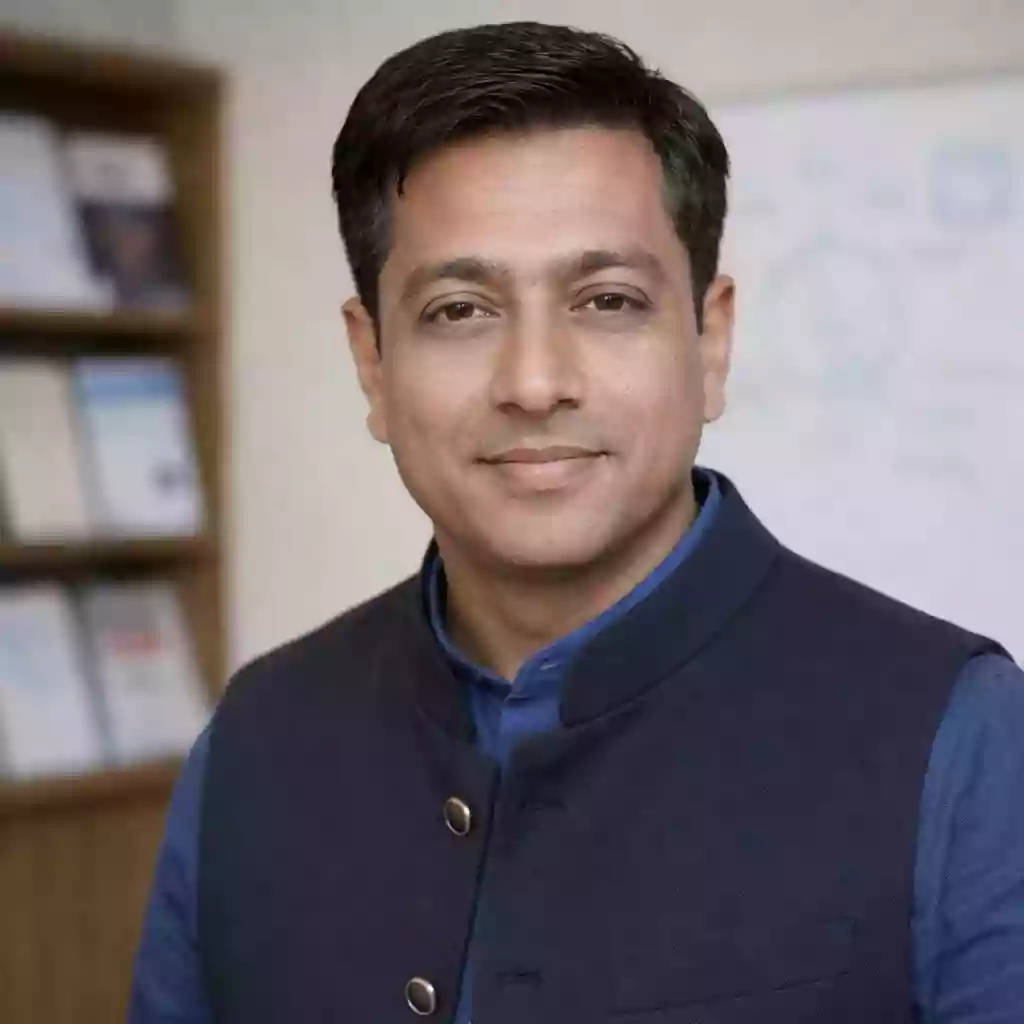
Imran Shahzad, M.Sc. Psychology (BZU, 2012), shares real-world mental health tips and emotional guidance in simple English for everyday South Asian readers. He worked closely with individuals facing grief, emotional loss, and life transitions, translating real-world psychological experiences into practical guidance for everyday readers.