

 In South Asia, eating disorders are often hidden in silence. Families rarely talk about it, friends don’t understand it, and sufferers feel deeply alone. But the truth is, eating disorders like anorexia, bulimia, and binge eating aren’t just foreign terms, they live quietly among us. According to the World Health Organization, more than 9% of the global population faces an eating disorder in their lifetime. In South Asian cultures, the number is rising, especially among teens and young adults.
This article shares real survivor stories, from girls and boys, women and men, who faced these disorders and found their way to recovery. You’ll read about what caused their struggles, how they found help, and how life changed after healing. These stories aren’t medical reports, they’re human truths, shared to inspire strength and understanding.
Understanding Eating Disorders in a South Asian Context
In our culture, food is love, but it can also become pain.
In Pakistan, India, and Bangladesh, eating disorders are misunderstood. Many believe they’re just “dieting gone too far” or a “fashion thing.” But that’s not true. These are serious mental health conditions that can destroy both body and mind.
Here’s what each one means:
Anorexia Nervosa – A strong fear of gaining weight. The person may eat very little, lose a lot of weight, yet still feel “fat.”
Bulimia Nervosa – A cycle of binge eating large amounts of food, then purging by vomiting, fasting, or using laxatives.
Binge Eating Disorder (BED) – Eating huge amounts of food in secret, often triggered by stress, sadness, or loneliness.
These are not habits, they are illnesses. And sadly, many sufferers are ignored because they appear “normal” or “well-functioning” from outside.
In South Asia, where marriage pressure, skin color, weight shaming, and family gossip are real stressors, it’s no surprise that body image issues go unchecked. Many girls are told, “Lose weight or no one will marry you.” Boys are told, “You must look strong.” The pressure builds silently, and it breaks people.
Anorexia Recovery Stories That Inspire Strength
Laila, a university student from Lahore, once weighed just 36 kg at age 20. She started skipping meals in college when classmates teased her about her cheeks. Slowly, eating became a fear. “I would feel proud for eating nothing but a cucumber all day,” she said. One day, she fainted during a lecture. That’s when her parents realized something was wrong.
After seeing a psychologist and a nutritionist, Laila started her slow recovery. She now eats three meals a day and says, “The hardest part wasn’t food, it was changing how I saw myself.”
Another story comes from Pooja, a girl in Delhi who always scored top grades. Her need for control spread to her body. “If I could control my hunger, I felt powerful,” she said. Her turning point came after her hair started falling out, and her younger sister cried, “Please eat, didi.”
For both girls, recovery didn’t mean liking their body overnight, it meant choosing to be kind to it, one day at a time.
Best Bulimia Stories of Struggle and Healing
Zahra, 27, from Karachi, secretly battled bulimia for three years. After every stressful day at work, she would eat everything she could find, cakes, chips, rice, then force herself to vomit. “It became my way to survive the day,” she says. But each purge left her weaker, and one day she saw blood.
That’s when she broke down and called her cousin, who helped her find a therapist. Her healing began not with medicine, but with words: “You are not disgusting. You’re hurting.”
Rina, 32, from Dhaka, went through the same. “My fridge was full, but my heart was empty.” Through group therapy, she met others like her and realized she wasn’t broken, she was in pain. Today, she eats with peace, not punishment.
Binge Eating Disorder Stories from Real Life
Ahmed, 18, from Multan, was the youngest of four brothers. Growing up, he felt ignored. “No one hit me, but no one asked if I was okay either.” He found comfort in food. After school, he would eat packets of biscuits, roti with sugar, and milk, all alone. “I didn’t know I had a disorder, I thought I just loved food.”
When he started gaining weight rapidly, he was bullied. A kind school counselor spotted the signs and helped him get help. “I learned that emotional hunger isn’t fixed by food,” he said. Now, he journals his feelings and eats when truly hungry.
Shazia, 41, a homemaker from Hyderabad, shared her pain too. “I would clean the house, smile with guests, but cry while eating in the kitchen.” For her, bingeing was the only “me time” she had. Her doctor finally told her, “You’re not greedy. You’re grieving.”
With therapy and self-care, she’s learned to handle emotions, not eat them.
Life After an Eating Disorder: What Recovery Really Feels Like
Recovery isn’t magic. It doesn’t erase pain. But it builds hope.
Many survivors talk about the “new normal” they had to create. One woman shared, “I still feel scared of certain foods. But I eat them anyway, with courage.” Another said, “I may never love my body fully. But I respect it. I feed it. That’s enough.”
Key things they mention about recovery:
Learning to cook with joy, not guilt
Being okay with eating in front of others
Ignoring triggering social media
Accepting that slip-ups don’t mean failure
One man said, “I used to hide food wrappers in my room. Now, I eat dinner with my parents. That’s my biggest win.”
Male Eating Disorder Stories: Breaking the Silence
Eating disorders don’t have a gender.
Salman, 19, from Faisalabad, was obsessed with gym workouts. But soon, he stopped eating and survived on protein shakes and coffee. He feared carbs like poison. “If I skipped gym, I wouldn’t eat. I thought I didn’t deserve food,” he said. He later admitted, “I was depressed. But I thought boys can’t cry, so I punished myself instead.”
Ravi, 21, from Mumbai, struggled with bulimia. “I vomited silently, washed my mouth, and acted like nothing happened.” He never spoke about it until college counseling made him feel safe.
Both men started healing only when they realized they weren’t alone. Eating disorders affect men too, just with more silence.
How I Recovered From My Eating Disorder: Tips From Survivors
Here’s what real people said helped them:
“I stopped weighing myself.”
“I told one trusted friend. That changed everything.”
“I found a therapist who understood cultural shame.”
“I joined an online support group.”
“I prayed every night, not to be skinny, but to be okay.”
A recovery toolkit that worked for many:
Journaling food feelings, not calories
Using art, music, or poetry to express pain
Avoiding toxic relatives who constantly comment on weight
Repeating affirmations like: “I deserve to eat. I deserve to live.”
Why Telling These Stories Matters
In our region, we need to talk more, not less, about eating disorders.
Stories shared above are not statistics. They are lives reclaimed. They show us that anorexia isn’t about vanity. Bulimia isn’t about attention. Binge eating isn’t just bad habits.
It’s about pain, shame, and the fight to feel human again.
If you’re struggling, know this:
“You are not weak. You are not alone. Help exists, and you deserve it.”
Let’s make room for these stories in our schools, homes, and mosques. Healing starts when we stop judging and start listening.
TL;DR
Eating disorders like anorexia, bulimia, and binge eating affect many in South Asia, but most suffer in silence. This article shares true stories of people who recovered, highlighting the pain, support, therapy, and hope involved in their journeys. Men also face eating disorders but rarely speak up. Recovery is possible, and it starts by sharing stories and seeking help without shame.
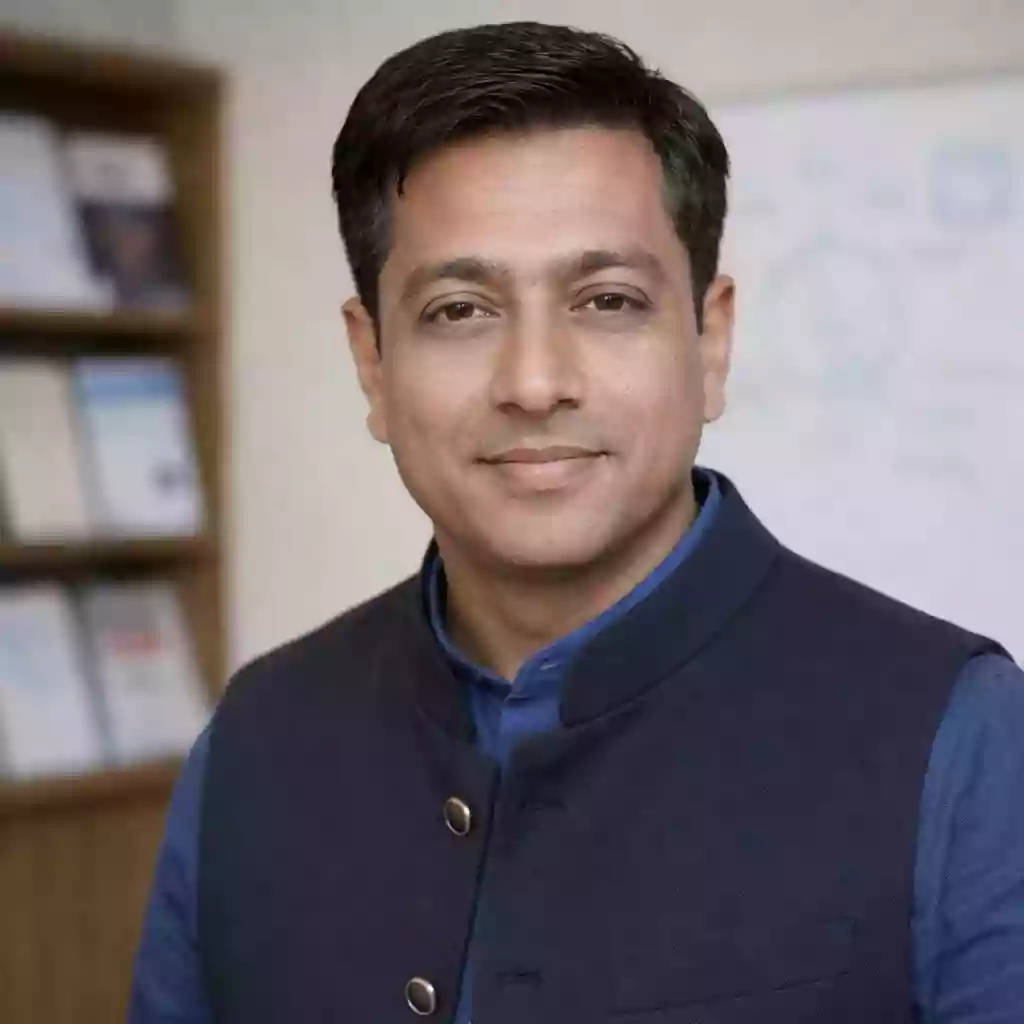
Imran Shahzad, M.Sc. Psychology (BZU, 2012), shares real-world mental health tips and emotional guidance in simple English for everyday South Asian readers. He worked closely with individuals facing grief, emotional loss, and life transitions, translating real-world psychological experiences into practical guidance for everyday readers.