

 Mediation is not just a legal process. It’s a human process.
In Pakistan, India, and other South Asian societies, conflicts often stay unresolved for years, sometimes due to family pride, sometimes due to fear of formal courts. In such situations, professional mediators step in. They offer more than a solution, they offer understanding, neutrality, and emotional calm.
Let’s see what these professionals actually do, how they think, and what we can learn from their stories.
Who Are Professional Mediators and What Do They Really Do?
A professional mediator helps people solve disputes without taking sides.
Think of a family where two brothers are fighting over property. A mediator doesn’t decide who’s right or wrong, they guide the conversation, help each party express their side, and work toward a mutual agreement. It could be about land, marriage, inheritance, business, or workplace tension.
Mediators follow rules, but their job is deeply emotional. They listen without judging. They slow down heated arguments. And most importantly, they build trust.
Mediators are often trained in psychology, law, or conflict management. In South Asia, many community elders, teachers, or retired judges also act as informal mediators. But professional mediators go through ethical training, maintain confidentiality, and understand human behavior.
What Happens in a Mediation Session? Common Questions and Techniques
A typical session begins with ground rules: mutual respect, equal talking time, no shouting.
Then come the questions, ones that make both sides think deeply:
“What would a fair outcome look like for you?”
“What are you most worried about in this situation?”
“What would help you feel heard right now?”
These are not random questions. They follow psychological techniques like:
Reframing – Turning blame into needs.
“He never supports me” becomes “I need more help managing responsibilities.”Active listening – The mediator repeats key points to show understanding.
“So you’re saying your biggest fear is being disrespected in front of your children?”Joint problem-solving – The mediator helps both sides generate solutions together, not in isolation.
Many mediators use paper, whiteboards, or diagrams to keep things visual and focused.
Four Types of Mediators: Which Style Helps Most?
Each mediator brings a style. These are the four major ones:
| Type of Mediator | What They Do | Best For |
|---|---|---|
| Facilitative | Ask questions, keep parties talking | Relationship issues, families |
| Evaluative | Offer legal views, assess strengths | Business conflicts, contracts |
| Transformative | Focus on empowerment, recognition | Emotional or identity issues |
| Narrative | Help parties “re-write” the conflict | Deep misunderstandings |
In Pakistan, facilitative and transformative mediation are common in family matters. In business or legal conflicts, evaluative styles help by showing likely court outcomes.
A good mediator blends styles based on the situation.
Interview Highlights: What Professional Mediators Say Matters Most
We asked three experienced mediators from Lahore, Karachi, and Islamabad about their work. Their responses say a lot about the human side of this profession.
Q: What’s the hardest part of your job?
“Staying neutral when one side is clearly suffering. But my role is not to fix, it’s to help them fix it together.”
Q: How do you keep emotions in check during heated moments?
“By breathing deeply, repeating their words calmly, and asking ‘Would you like me to pause the session?’ That gives everyone time to cool down.”
Q: Your most unforgettable case?
“A divorcing couple who hadn’t spoken in months. By the third session, they agreed to share parenting duties, and even hugged. It wasn’t about saving the marriage. It was about saving the children’s peace.”
These insights show that empathy, timing, and silence are tools as powerful as words.
The Golden Rule of Mediation: Respect Above All
All mediators agree on one golden rule: Keep respect alive, even in disagreement.
Respect doesn’t mean agreeing. It means:
Letting the other person speak
Avoiding personal attacks
Focusing on the issue, not the individual
In South Asian cultures, where elders or gender roles sometimes dominate conversations, mediators remind participants: “Everyone deserves equal voice here.”
This one principle often melts tension. Once people feel heard, solutions become easier.
What Makes a Good Mediator? Skills, Personality, and Training
Not everyone can be a mediator. It takes:
Emotional maturity – Staying calm even in chaos
Neutrality – Not siding with anyone
Communication – Asking the right questions, guiding tone
Cultural understanding – Especially in family or religious disputes
Training – Certified mediators often complete 40+ hours of training in conflict resolution and ethics
In Pakistan, mediation training is offered by legal forums, NGOs, and some universities. Good mediators also keep learning through case studies, supervision, and community work.
How Mediation Benefits Mental Health and Emotional Stability
Conflict causes stress. Long fights, whether at home or work, can lead to:
Anxiety
Sleep problems
Mood swings
Relationship breakdowns
Mediation changes the cycle.
When people speak freely in a safe space, they start to regulate emotions, understand perspectives, and find closure. This aligns with psychological principles of emotional processing, cognitive reframing, and interpersonal healing.
Even if no full agreement is reached, just feeling heard can improve mental well-being.
When to Choose Mediation Over Legal Action or Counseling
Mediation works best when:
Both parties are willing to talk
The issue is not criminal
Privacy matters (e.g., family matters)
Emotions are high, but violence is absent
Legal action is needed for:
Property theft
Violence
Severe rights violations
Counseling helps when:
One party needs personal emotional healing
The issue is internal, not between two people
In simple words:
Counseling is for inner healing.
Mediation is for outer resolving.
Court is for legal justice.
Bringing Peace into Everyday Conflicts
We don’t need to be professional mediators to act like one.
At home, when your siblings fight, listen without interrupting.
At work, if two coworkers clash, ask what each wants, not who’s right.
In marriage, avoid blame and start with “What matters to you in this?”
The mediator mindset is about building bridges, not walls.
If more people in South Asia adopted this mindset, we’d see less shouting and more solutions. Less family silence and more healing conversations. Less broken trust and more restored dignity.
Conflict is part of life. Mediation makes it manageable.
And that’s something worth learning from the professionals.
TL;DR
Professional mediators help people resolve conflicts by guiding respectful conversations and building mutual understanding. This article explains their role, methods, and key skills, featuring real interview insights from South Asian mediators. It also outlines when to choose mediation over court or counseling and how adopting a “mediator mindset” can bring peace into everyday relationships. Mediation is not just problem-solving, it’s emotional healing through communication.
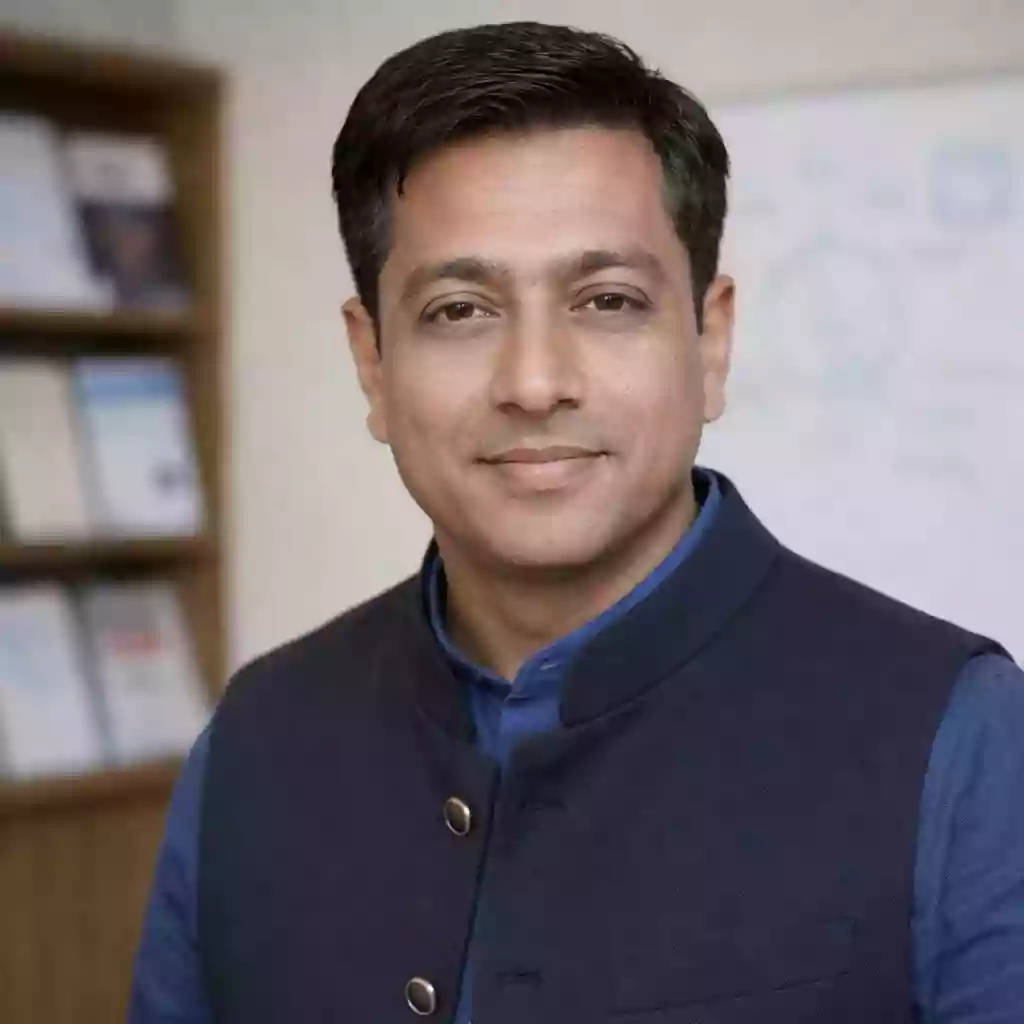
Imran Shahzad, M.Sc. Psychology (BZU, 2012), shares real-world mental health tips and emotional guidance in simple English for everyday South Asian readers. He worked closely with individuals facing grief, emotional loss, and life transitions, translating real-world psychological experiences into practical guidance for everyday readers.