 In recent years, millions of people have turned toward alternative healing practices to find relief beyond traditional medicine. A 2023 World Health Organization report estimated that nearly 60% of adults in developing and developed countries have tried some form of complementary therapy be it meditation, Reiki, or chiropractic care. The growing popularity shows a simple truth: people want healing that feels human, not mechanical.
Understanding Alternative Healing Practices
Alternative healing, often called complementary or holistic therapy, includes approaches that work with both the mind and body to restore balance. Unlike conventional medicine that focuses on symptoms, alternative therapies look for why a person feels unwell emotionally or physically.
Common examples include acupuncture, Reiki, aromatherapy, chiropractic therapy, yoga, meditation, and herbal remedies. Each aims to activate the body’s natural ability to heal itself.
For instance, acupuncture stimulates specific points to release energy flow, while Reiki channels positive energy through gentle hand movements. Aromatherapy uses essential oils to relax the nervous system, and chiropractic care aligns the spine to improve the body’s balance and posture. These practices aren’t replacements for doctors; they are allies in overall wellness.
When integrated wisely, alternative healing can complement modern psychology by enhancing emotional regulation, stress management, and personal growth.
Why People Turn to Alternative Therapies
Behind every healing journey lies a story of pain, fatigue, or unanswered questions. Many people turn to alternative healing because they’ve tried everything else prescriptions, therapy, or lifestyle changes and still feel incomplete.
There’s a growing awareness that mental and emotional health cannot be separated from physical well-being. Stress at work can trigger stomach issues; unresolved grief can cause sleeplessness. That’s why practices like meditation, yoga, and Reiki appeal to so many they treat the whole person, not just a diagnosis.
Imran Shahzad, psychology writer at Psyvanta.com, often notes that “healing begins when you start listening to your emotions, not just your doctor.” For many, that’s what alternative healing provides a quiet space to reconnect with inner peace and regain control over their emotions.
Common Types of Alternative Healing Methods
Reiki and Energy Work
Reiki, a Japanese healing practice developed in the early 1900s, works on the belief that life energy (called ki) flows through all living things. Practitioners place their hands lightly on or above the body to guide this energy and encourage emotional and physical balance.
People describe Reiki sessions as peaceful and deeply relaxing. Many report improved sleep, reduced anxiety, and relief from chronic fatigue. While science continues to research its mechanisms, countless individuals credit Reiki with helping them release emotional tension and find clarity.
Chiropractic Therapy
Chiropractic care focuses on the relationship between the spine and the nervous system. A chiropractor adjusts misaligned vertebrae (known as subluxations) to help the body function more efficiently.
This therapy can ease back pain, migraines, or tension but it’s not suitable for everyone. Conditions such as severe osteoporosis, spinal cancer, or nerve compression can make chiropractic adjustments risky. That’s why professional evaluation is vital before beginning treatment.
Many patients say that after sessions, they not only feel physically lighter but also mentally calmer, as posture and nerve balance often influence mood and focus.
Meditation and Mindfulness
Meditation remains one of the most accessible healing tools worldwide. Whether practiced in silence, through guided apps, or during prayer, meditation helps quiet the mental noise that fuels anxiety and stress.
Regular meditation changes how the brain processes emotions. Research shows it strengthens the prefrontal cortex, the part of the brain responsible for decision-making and emotional control. Practitioners often notice that stressful events no longer trigger the same intense reactions they respond with awareness rather than panic.
Mindfulness, a modern form of meditation, teaches people to live in the present moment. This simple shift can reduce overthinking and bring emotional stability a cornerstone of personality development.
Herbal and Natural Remedies
Long before pharmacies existed, people relied on herbs and plants. Today, natural remedies like chamomile tea for anxiety, lavender oil for relaxation, or turmeric for inflammation have regained popularity.
These remedies offer gentle support without the side effects common in synthetic drugs. However, they still require care some herbs can interact with medications or cause allergic reactions. The safest way is to consult a professional herbalist or healthcare provider.
Psychological Benefits of Alternative Healing
Beyond physical comfort, alternative healing profoundly impacts mental health. Here are some key psychological benefits often reported:
| Benefit | Description |
|---|---|
| Stress Relief | Practices like yoga and Reiki lower cortisol levels, promoting calm and emotional balance. |
| Improved Focus | Meditation enhances attention span and helps manage racing thoughts. |
| Emotional Regulation | Energy work and breath techniques improve control over anger, sadness, and anxiety. |
| Self-Awareness | Journaling, mindfulness, and sound therapy deepen understanding of personal triggers and emotions. |
| Hope and Empowerment | Taking part in one’s healing journey restores confidence and motivation. |
Alternative therapies also help individuals rebuild trust in their bodies. Many who feel disconnected due to trauma or chronic illness rediscover a sense of control through consistent practice.
Case Stories and Personal Experiences
1. Sarah’s Calm Through Reiki
Sarah, a 32-year-old teacher, began Reiki after months of panic attacks. At first skeptical, she noticed that during sessions her body would feel warm, and her breathing would slow naturally. Within weeks, her anxiety episodes dropped from daily to occasional. She describes Reiki as “a quiet conversation with my emotions.”
2. Ahmed’s Balance Through Chiropractic Care
Ahmed, a 40-year-old office worker, suffered constant neck pain from long hours at a desk. After five chiropractic sessions, his posture improved, but something else changed too his mood. “When my body stood straight, I felt emotionally stronger,” he said. For him, alignment wasn’t just physical; it was mental.
3. Priya’s Mindfulness Journey
Priya, a 25-year-old graduate student, faced overwhelming exam stress. Meditation apps helped her calm racing thoughts and study more effectively. She explains, “Mindfulness gave me space between my fear and my response.” Her grades and sleep both improved clear proof that emotional clarity enhances performance.
These stories highlight one truth: healing feels different for everyone, yet all share the same goal to reconnect body, mind, and spirit.
Challenges and Skepticism Around Alternative Healing
Despite its growing popularity, alternative healing faces criticism. Some scientists argue that many therapies lack strong empirical evidence. Others warn against overreliance without medical supervision.
Skepticism often arises from cases where individuals abandon medical treatment entirely in favor of unverified remedies. That can be dangerous. For instance, using herbal medicine to treat serious conditions like cancer or heart disease without consulting a doctor can delay critical care.
Yet, dismissing alternative healing completely ignores the psychological power of belief, relaxation, and community. Even if part of the improvement stems from the placebo effect, the brain’s response to belief and expectation is itself therapeutic.
Responsible healing means balance using alternative methods alongside conventional care, not against it.
Integrating Alternative and Modern Psychology
Modern psychology increasingly recognizes the mind-body connection. Therapists now integrate mindfulness, breathing exercises, and even light yoga into Cognitive Behavioral Therapy (CBT) or Acceptance Commitment Therapy (ACT).
This blend is called integrative psychotherapy. It respects medical science while acknowledging that emotions, energy, and body awareness influence recovery.
For example, mindfulness-based cognitive therapy (MBCT) reduces relapse in depression by teaching patients to observe thoughts without judgment. Similarly, yoga therapy supports trauma recovery by helping survivors reconnect safely with their bodies.
When combined thoughtfully, these methods enhance both resilience and self-awareness, leading to lasting emotional stability.
Tips for Trying Alternative Healing Safely
If you’re curious about trying alternative healing, here’s how to approach it responsibly:
- Consult a licensed professional. Whether it’s a Reiki master, herbalist, or chiropractor, check credentials and certifications.
- Be transparent with your doctor. Always inform your healthcare provider about any therapies you’re using to avoid harmful interactions.
- Start small. Try short sessions or mild herbs before committing to long programs. Observe how your body and mind respond.
- Prioritize safety. Avoid treatments that involve unverified substances, extreme fasting, or painful manipulation.
- Track progress. Keep a journal of emotional and physical changes. Noticing improvement helps you stay consistent.
- Combine with lifestyle changes. Healing thrives when paired with proper sleep, nutrition, and supportive relationships.
Remember, true healing is not just about removing pain; it’s about creating harmony within yourself.
Final Thoughts – Healing as a Personal Journey
Healing is never one-size-fits-all. For some, medication and therapy bring peace; for others, meditation and Reiki open new paths. What matters most is intention and awareness.
Alternative healing practices invite you to participate actively in your wellness to listen to your body, respect your emotions, and trust your capacity to heal. They remind us that health is not merely the absence of illness but the presence of balance.
Imran Shahzad often writes, “Your mind speaks through your body, and your body whispers through your emotions. Healing begins when you start listening.”
If you’ve ever tried an alternative therapy whether a herbal tea before bed or a mindfulness practice on a stressful day you’ve already taken a step toward holistic health.
TL;DR
Alternative healing connects the mind and body through practices like Reiki, chiropractic therapy, meditation, and herbal remedies. These approaches help reduce stress, improve emotional regulation, and build inner peace when used safely alongside medical care. Real-life experiences show that healing is deeply personal what matters most is finding a balance that restores both body and mind.
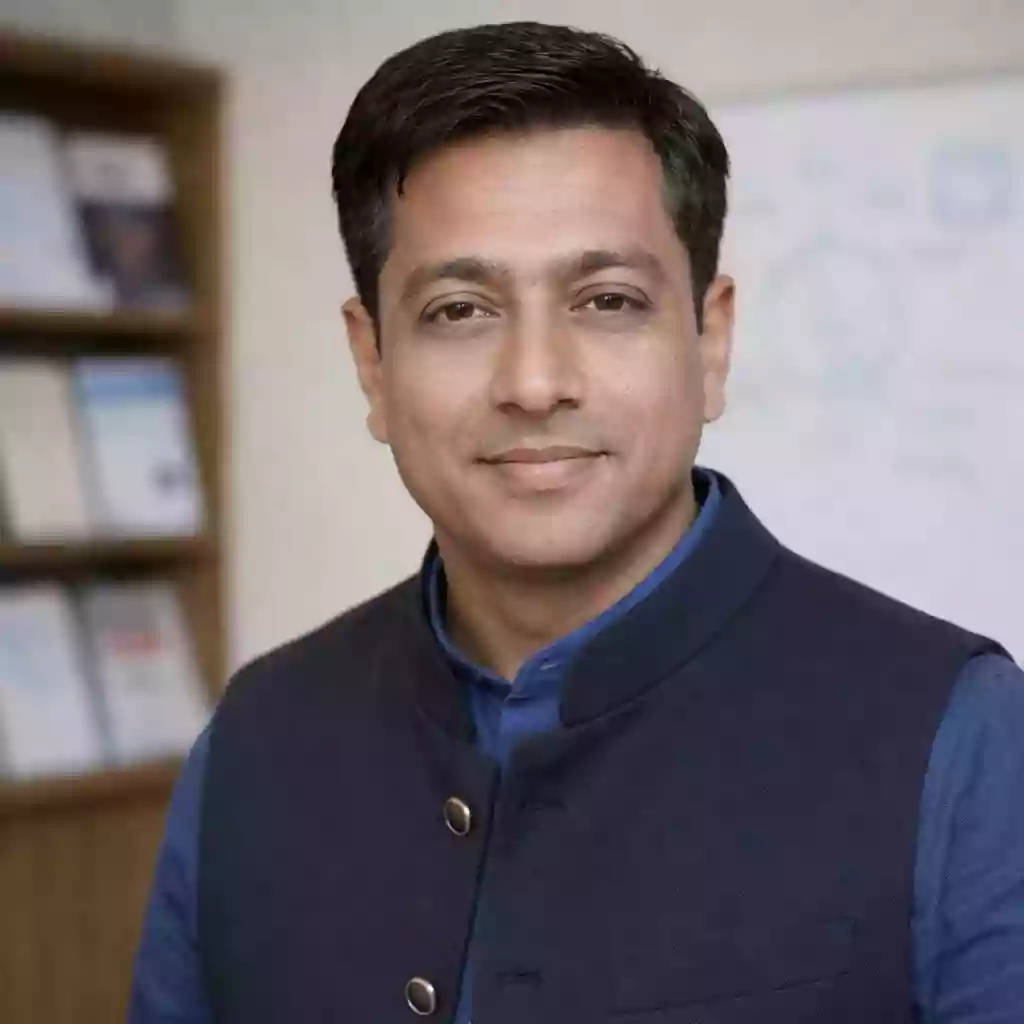
Imran Shahzad, M.Sc. Psychology (BZU, 2012), shares real-world mental health tips and emotional guidance in simple English for everyday South Asian readers. He worked closely with individuals facing grief, emotional loss, and life transitions, translating real-world psychological experiences into practical guidance for everyday readers.