

 Life doesn’t always go as planned. Whether it’s losing a job, failing a test, facing rejection, or dealing with family pressure how we respond to setbacks defines our path. That’s where resilience comes in. It’s not about avoiding pain. It’s about standing back up, stronger and smarter.
For many of us in Pakistan, India, or Bangladesh, personal development isn’t about luxury goals it’s about surviving stress, managing responsibilities, and finding mental strength amid real-life struggles. Resilience is the backbone of that journey.
Let me explain why it matters.
What Is Resilience?
Resilience means your ability to adapt to difficult situations and recover from setbacks without giving up. It’s that invisible force inside you that helps you say, “Yes, I’m hurt but I’m not broken.”
It doesn’t mean you don’t feel pain. It means you don’t let pain control your life.
In psychology, resilience is seen as a key personality trait that allows people to stay calm, hopeful, and motivated even during emotional storms.
Real-Life Example of Resilience
Let’s say Ali, a university student from Multan, fails his final exams. He feels ashamed. His parents are disappointed. His friends move ahead.
Now Ali has two choices:
Give up, hide, and let shame turn into depression.
Or accept the failure, learn from his mistakes, plan again, and try once more.
If Ali chooses the second path, that’s resilience in action. It’s not magic. It’s mindset.
We see this every day in mothers managing house and job stress, in fathers pushing through financial burdens, in students trying again after failure, and in workers surviving job loss. Resilience lives in our daily stories.
Why Resilience Matters for Personal Growth
When you grow personally, you learn, improve, and mature. But growth needs discomfort and discomfort brings struggle. That’s why you need resilience.
Here’s what resilience helps with:
Facing fears instead of avoiding them
Learning from failure instead of being crushed by it
Trying again instead of quitting
Without resilience, you stay stuck. You don’t grow. You don’t move forward.
Emotional Strength and Mental Flexibility
Think of emotional strength as a muscle. The more you use it, the stronger it gets.
Resilient people are:
More self-aware of their feelings
More accepting of change
More focused on solutions
They don’t break down with every challenge. They bend, but they don’t break.
This flexibility is what makes resilience a critical part of mental development.
Resilience in Professional and Academic Life
In school or work, challenges are nonstop deadlines, criticism, pressure, unfair results.
So why do some people burn out, while others shine under stress?
The difference is resilience.
Handling Pressure and Setbacks
Resilience helps you:
Keep calm during exams
Bounce back after a failed project
Stay hopeful when your efforts aren’t immediately rewarded
Teachers, bosses, and mentors often say: “We want people who don’t give up easily.” That’s code for “We want resilient people.”
In fact, most successful professionals were not the smartest in the room but they were the most persistent.
The Connection Between Resilience and Mental Health
According to the World Health Organization, over 260 million people suffer from depression worldwide and many of them are in South Asia. One reason? Lack of coping skills.
Resilience acts like a mental health shield.
It doesn’t eliminate stress, but it helps you manage it without falling apart.
Emotional Coping and Self-Esteem
When life punches hard, your emotional response matters.
People with low resilience often:
Feel hopeless quickly
Blame themselves constantly
Avoid responsibility
But resilient people:
Cry, but then clean their tears and move on
Accept that bad days happen
Learn to trust themselves again
This builds self-esteem the foundation of confidence and emotional balance.
How to Build Resilience Step-by-Step
You don’t have to be born with resilience. You can build it like any other skill.
Here are five easy, real-life-based practices:
1. Stay Positive but Realistic
Don’t deny the problem. Face it but remind yourself it won’t last forever.
“It’s tough but I’ve handled worse” is a powerful daily reminder.
2. Surround Yourself with Support
You don’t have to fight alone. Talk to friends, mentors, or even a therapist. Emotional support increases resilience.
3. Accept Change as Part of Life
The faster you accept that not everything is in your control, the calmer your mind becomes.
4. Stick to Healthy Habits
Sleep on time
Eat well
Move your body
Your physical health powers your mental energy.
5. Learn from Your Mistakes
Instead of asking “Why me?”, ask “What can I learn from this?” That shift builds mental strength.
Teaching Resilience to Children and Teens
In South Asia, children often face high expectations, comparison, and emotional pressure. Teaching resilience early can help them face failures without fear.
Parents and teachers can help by:
Letting children fail without shaming them
Praising effort, not just success
Telling stories of struggle and courage from family or local culture
Building resilience in children means they grow into emotionally intelligent adults.
Resilience in South Asian Cultural Context
In our region, resilience looks a little different.
For example:
Joint family systems can either support you or stress you out but they do teach adjustment and patience.
Religious beliefs like sabr (patience) and shukr (gratitude) build emotional discipline.
Community support during weddings, funerals, or hard times gives people strength to carry on.
We don’t always call it resilience. But we live it especially in rural areas and working-class families.
This cultural resilience is a hidden strength we often forget to acknowledge.
Common Myths About Resilience
Let’s clear some confusion:
| Myth | Truth |
|---|---|
| Resilient people don’t feel sad | They do they just don’t let sadness win |
| You either have resilience or not | You can build it step by step |
| Being resilient means being alone | Support systems help you become more resilient |
| Only strong people are resilient | Everyone has the potential with practice |

Make Resilience a Daily Habit
Start small.
Say “I’ll try again” when you fail
Take a deep breath before reacting
Keep a journal of how you survived hard times
Remind yourself: “This too shall pass.”
Personal development isn’t just about big goals. It’s about building small mental habits that help you face real life with courage.
In a world that often feels unstable, resilience is not a bonus it’s your most essential skill.
Whether you’re a student preparing for exams, a parent juggling tasks, or a young professional facing rejection resilience helps you move forward with strength, not just survival.
TL;DR
Resilience is your ability to bounce back from life’s challenges and emotional struggles. It supports personal development by building emotional strength, mental flexibility, and self-esteem. Whether at school, work, or home, resilient people handle stress better and grow through hardship. You can develop resilience through daily habits like positive thinking, healthy routines, and supportive relationships. In South Asian culture, resilience is often shaped by family values, religious beliefs, and community support
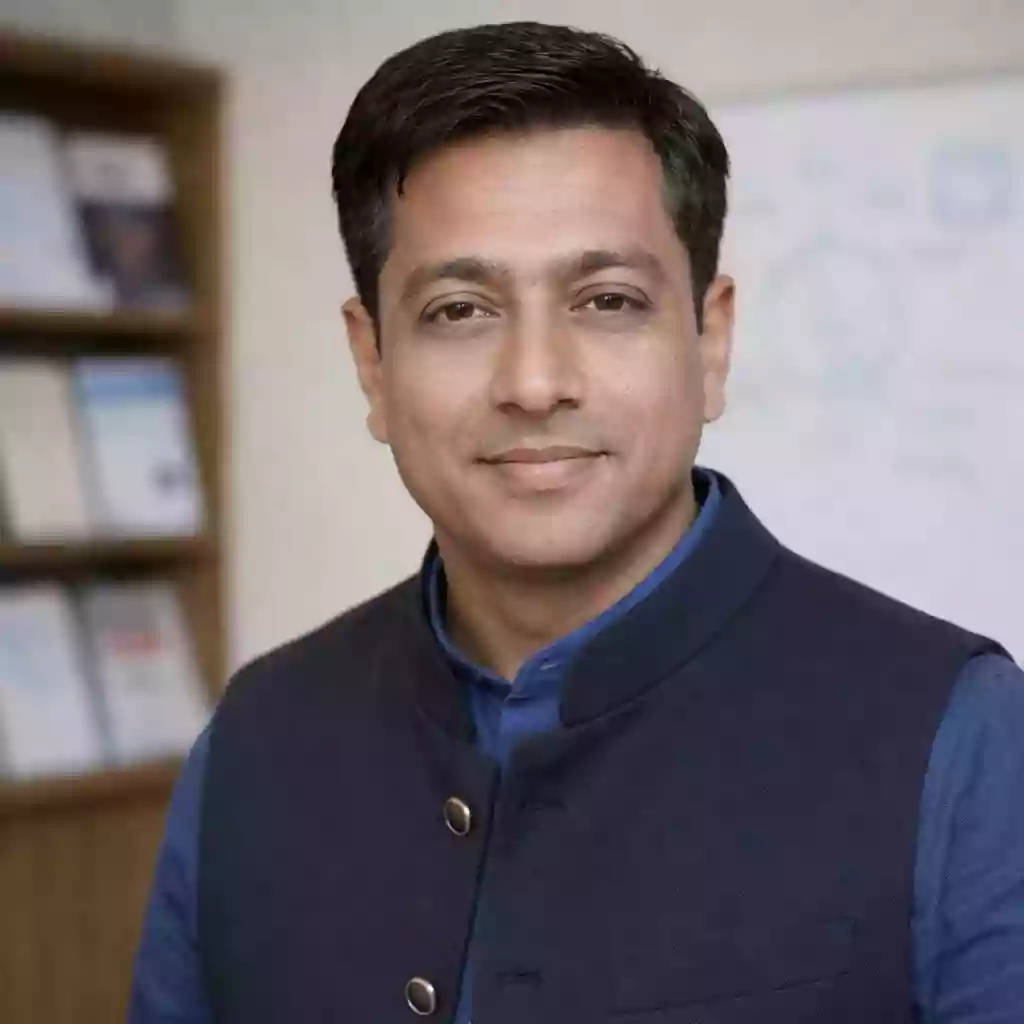
Imran Shahzad, M.Sc. Psychology (BZU, 2012), shares real-world mental health tips and emotional guidance in simple English for everyday South Asian readers. He worked closely with individuals facing grief, emotional loss, and life transitions, translating real-world psychological experiences into practical guidance for everyday readers.