

 Travel isn’t just about going places, it’s about becoming someone new. When we step away from familiar surroundings and routines, we often step into deeper versions of ourselves. For many South Asians, especially youth and working professionals, traveling can become one of the most powerful emotional tools for personal growth.
A study by Hostelworld found that 74% of solo travelers reported gaining more confidence and clarity in life after traveling. Another 65% said they returned home with a better understanding of who they are. These aren’t just numbers, they reflect a psychological shift. In this article, we’ll explore how people like you used travel to build self-worth, heal from pain, and shape their future.
Why Travel Has the Power to Change Who We Are
Travel forces us to adapt. And adapting builds growth.
When you leave your everyday environment, whether it’s a busy city like Lahore, Delhi, or Dhaka, you allow your brain to form new neural connections. This is called neuroplasticity. It helps you think in fresh ways, face fears, and feel emotions you usually push aside.
In South Asian culture, many of us are taught to stick to the familiar. But stepping into a foreign country, or even a different region within Pakistan, shows you a version of life that’s often more honest than books or movies can explain.
For example, meeting new people with different values can:
Help you question old assumptions
Make you more empathetic
Increase emotional flexibility
You come back not just with souvenirs, but with stronger emotional muscles.
Real-Life Story #1 – From Stress to Strength: A Karachi Teen’s Europe Trip
19-year-old Sameer was in the middle of exam season when anxiety took over. His grades were dropping, and he felt trapped in expectations. His parents, noticing the signs, agreed to let him join a short educational exchange to Germany.
What happened during those two weeks changed him.
At first, Sameer felt lost. He didn’t speak the language. He missed spicy food. But slowly, he started navigating daily life, asking strangers for directions, managing his meals, budgeting on his own.
These small wins boosted his confidence.
Sameer says:
“I didn’t just learn how to survive in Europe. I learned I could handle pressure without panicking. That strength came back with me to Pakistan.”
When he returned, his anxiety didn’t disappear, but he had tools now. Breathing exercises he learned in a local Berlin hostel. Perspective he got from a Turkish roommate. And emotional space to reflect.
Real-Life Story #2 – A Mother’s Trek in the Northern Areas: Healing After Loss
Amina, a 42-year-old widow from Lahore, had lost her husband to a sudden illness. The grief was unbearable, and she found it hard to connect with her children. A friend suggested she take time off alone, and Amina ended up in Hunza Valley.
Surrounded by mountains, glaciers, and strangers, she finally let herself cry.
She walked. Wrote in a journal. Slept under stars.
At night, she talked to other travelers, some young, some older, all dealing with something. Their stories created a space where she didn’t feel so alone.
Travel gave her the permission to grieve, something her society didn’t.
By the time she returned, Amina wasn’t “healed”, but she was lighter. She now encourages other women in her community to take solo trips not as escapes, but as emotional reboots.
Real-Life Story #3 – An Indian Freelancer’s Journey to Sri Lanka: Finding Focus
Rohan, 29, worked as a digital marketer from home in Bangalore. He was successful but burned out. His mental focus was breaking down. Sleep issues. Doom-scrolling. Client anxiety.
He booked a one-month stay at a quiet beachside Airbnb in Sri Lanka.
He limited himself to 3 hours of work per day, turned off notifications, and kept a morning routine of swimming and journaling. In those 30 days, he realized he didn’t need to run faster, he needed to slow down.
This trip reshaped how he managed time and energy.
Rohan now takes quarterly “mental reset” trips, even within India, to protect his mental health.
Psychological Effects of Traveling Alone vs. With Family
Solo Travel:
Builds independence and decision-making
Promotes emotional clarity
Can be therapeutic after a breakup or loss
Family Travel:
Strengthens shared identity and bonding
Helps resolve silent emotional tensions
Promotes empathy across generations
In South Asian cultures, many of us travel as families. That’s beautiful, but solo travel also has a place. It doesn’t mean cutting ties. It means finding yourself so you can return to your people with more to give.
How to Reflect and Write About Your Own Travel Experience
Writing turns your memories into meaning.
Here are 5 questions to guide your travel journaling:
What emotion surprised me the most on this trip?
What challenge did I face, and how did I handle it?
Who did I meet that changed how I see life?
What did I learn about myself?
How do I want to live differently after this journey?
Writing answers to these helps anchor the growth. Whether you do it in a notebook, a blog, or just voice notes, it gives your mind a chance to hold on to the lessons.
You can even write an article titled, “How My Trip to Murree Made Me Kinder to Myself”, and share it. Your story might help someone else take their first step.
Tips to Make Travel a Tool for Personal Transformation
Not all travel leads to growth. But intentional travel does. Here’s how to do it:
Pick unfamiliar destinations – Try places that make you a little nervous (in a safe way). Growth begins outside comfort zones.
Turn off autopilot – Limit your time on social media during travel. Let your mind stay present.
Talk to people – Whether it’s a bus driver in Skardu or a café owner in Istanbul, real conversation creates real empathy.
Reflect daily – Ask yourself: What did I feel today? What did I face?
Travel slowly – Avoid cramming too much into the schedule. Depth, not quantity, brings meaning.
Avoid overplanning – Leave space for surprise. The unexpected moments often lead to the biggest breakthroughs.
A Note for South Asian Readers
If you’re reading this from Pakistan, India, or Bangladesh, you may feel that travel is a luxury. That it’s only for the rich, or the westernized.
But emotional growth doesn’t care where you go. You don’t need to fly to Europe. Even a short trip to Swat, Munnar, or Cox’s Bazar can be life-changing, if you’re open to growth.
And if solo travel feels unsafe or unrealistic, find a safe group, a community retreat, or even a spiritual travel group. What matters is the mindset, not the destination.
TL;DR
Travel has the power to shift your emotions, change your thinking, and build resilience. Whether it’s a teenager gaining confidence in Europe, a mother healing in Hunza, or a freelancer finding balance in Sri Lanka, these stories show how meaningful journeys shape inner growth. With intention, even short trips can turn into powerful tools for self-awareness, mental clarity, and emotional strength.
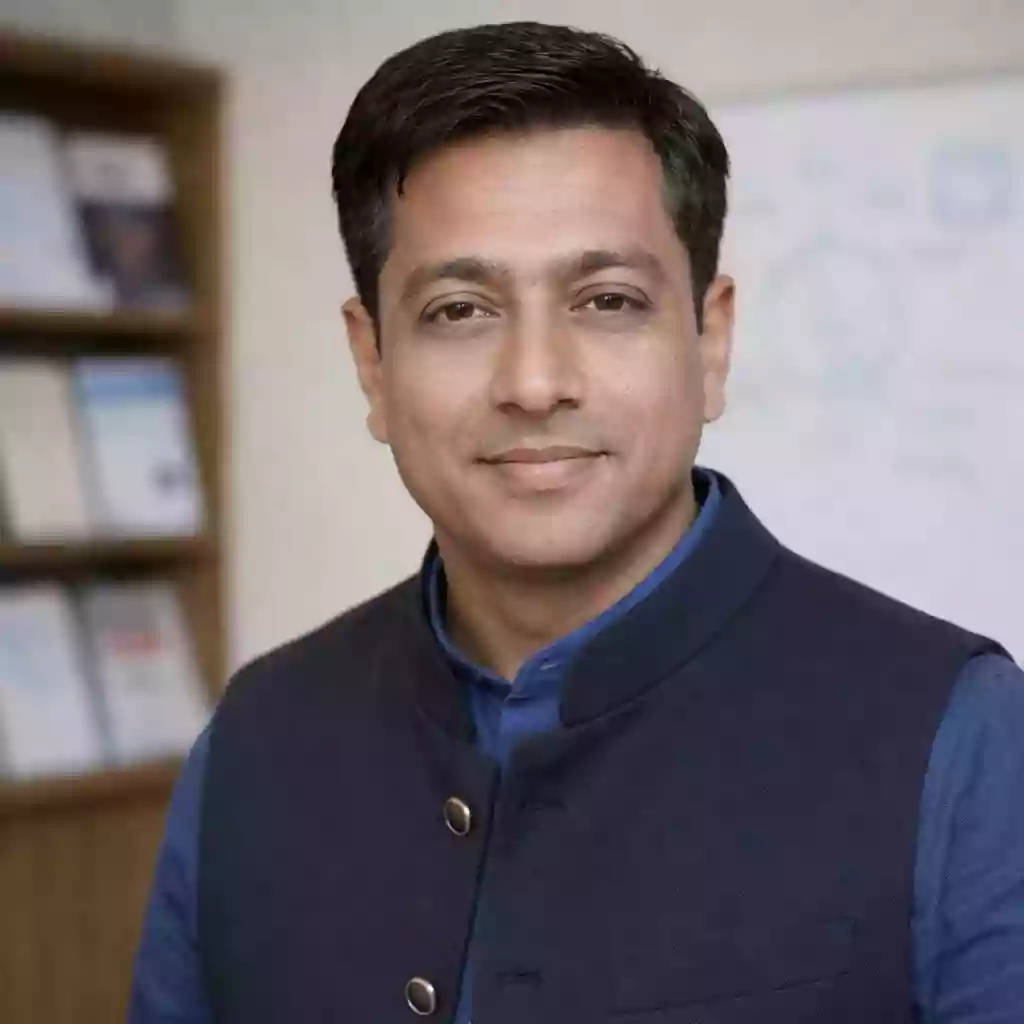
Imran Shahzad, M.Sc. Psychology (BZU, 2012), shares real-world mental health tips and emotional guidance in simple English for everyday South Asian readers. He worked closely with individuals facing grief, emotional loss, and life transitions, translating real-world psychological experiences into practical guidance for everyday readers.