

 Volunteer work does more than support others it often transforms the person doing the giving. In Pakistan and across South Asia, where family and community bonds are central to identity, volunteering can strengthen both emotional and mental well-being. It brings out our better selves and shows us what we’re truly capable of.
Why Is Volunteering Important for Personal Growth?
Volunteering teaches what no classroom ever could: real-life empathy, patience, and purpose.
Whether it’s distributing food during Ramzan or helping a neighbor’s child with homework, volunteering creates moments of deep connection. These acts foster emotional maturity, especially when done consistently. You begin to understand others’ struggles, and through that, you see yourself more clearly.
Psychologically, it also helps manage emotions better. Studies show that people who volunteer regularly have lower levels of stress and depression. Why? Because helping someone else shifts the focus away from our own problems. That mental distance offers space for reflection and healing.
What Is the Main Role of a Volunteer in Society?
A volunteer acts as a silent leader a doer without seeking reward.
The main role is to identify a need and offer help with humility. Whether you’re working with an NGO or informally helping during a flood or local emergency, volunteers step in where systems fall short.
Volunteers also model healthy social behavior. In a time where individualism is rising, especially in urban areas, these efforts remind communities about collective responsibility. In a South Asian context, this is crucial. When one person offers support, it encourages others to do the same creating a ripple effect.
Psychological Benefits of Volunteering
Volunteering provides emotional healing. It fills the gaps where therapy or medication sometimes can’t reach.
Here’s what happens inside the brain:
Oxytocin increases – the hormone that supports bonding and trust.
Cortisol decreases – the hormone related to stress.
Serotonin stabilizes – improving your mood and emotional balance.
This neurochemical shift can lead to:
Better self-regulation of emotions
Improved mental clarity
A stronger sense of meaning in life
Even people suffering from low mood or anxiety often report feeling lighter and more purposeful after a volunteering session.
Emotional and Social Learning through Service
Volunteering is emotional education in real life.
You learn how to:
Listen without judging
Support without controlling
Be kind without expecting anything in return
These are vital parts of emotional intelligence. Whether you’re helping a stranger or coordinating a team of volunteers, every interaction shapes your social skills. This is particularly helpful for people struggling with shyness, low self-confidence, or communication difficulties.
The Role of Community in Personal Growth
Communities help shape our beliefs, values, and behaviors. And in return, we shape communities by what we contribute.
When you participate in your mohalla’s (neighborhood’s) social drives, or support local causes like school fundraisers, you’re not just helping others. You are anchoring your identity in a collective mission. This makes people feel safe, grounded, and supported.
Strong communities foster strong individuals. And those individuals, when they give back, make communities even better.
How Volunteering Builds Confidence and Self-Esteem
Every time you complete a small task organizing books at a library or guiding traffic during a protest you feel useful.
Here’s how confidence grows through volunteering:
You solve real problems.
You see the impact of your actions.
You receive appreciation and trust.
These things boost self-esteem, especially in youth and women who may not get validation in their daily routines.
The more you help, the more you realize your strength. You start believing, “If I can do this, what else can I do?”
Real-Life Examples of Growth through Volunteer Work
Example 1: Ahmed, 22, from Lahore
After completing his graduation, Ahmed felt lost. He joined a weekend food drive, thinking it would be temporary. But working with underprivileged children changed him. Now, he’s pursuing social work and runs his own small educational initiative.
Example 2: Sana, 34, from Multan
A stay-at-home mother who suffered from anxiety after her second child, Sana began volunteering at a local shelter. The routine, connection, and purpose helped her rebuild her confidence.
These are not rare cases. All across Pakistan, people are healing and growing by giving.
Youth, Volunteering, and Identity Formation
Adolescence and early adulthood are critical for shaping identity. Volunteering during this phase can offer direction, discipline, and values.
Youth in South Asia often face confusion between traditional expectations and modern ambitions. Volunteer work provides clarity by allowing them to:
Try different roles
Build empathy
Develop decision-making skills
Whether it’s organizing events at college or helping during flood relief, each experience teaches something. Over time, these add up to a confident, grounded sense of self.
Overcoming Personal Challenges Through Service
Ironically, the act of helping others can help you the most.
People struggling with:
Depression
Grief after loss
Low self-worth
Social withdrawal
…often find hope through service.
It doesn’t have to be grand. Visiting a relative regularly, planting trees, or guiding others during exams each small act brings healing through purpose.
In Islamic culture too, acts of khidmat (service) are considered a source of barakah (blessing). This spiritual framework deepens the personal meaning of volunteering.
What Motivates Volunteers: Altruism or Self-Discovery?
Some people start volunteering out of pure kindness. Others do it to feel less alone, or to add to their CV. There’s no shame in any reason.
Psychology shows that motivation can be both external and internal.
Extrinsic motives:
Recognition
Experience
Resume-building
Intrinsic motives:
Self-satisfaction
Emotional reward
Spiritual fulfillment
No matter the reason, most volunteers end up growing internally, often unexpectedly. That’s the beauty of giving it gives back.
Tips to Start Volunteering for Personal Development
Here’s how to start:
1. Choose what matters to you
Education, health, women’s rights, the environment pick a cause that stirs your heart.
2. Start small, start local
Look around your street, school, or community center. Even helping an elderly neighbor counts.
3. Be consistent, not perfect
It’s better to help for 1 hour every week than to burn out in 1 day.
4. Reflect after every activity
Ask yourself: What did I feel? What did I learn?
5. Involve friends or family
Volunteering becomes easier and more fun when done together.
Where Can You Volunteer in Pakistan?
Edhi Foundation
Akhuwat
SOS Village
Local schools and mosques
Youth-driven community groups
University social societies
Service Is a Two-Way Street
Volunteer work doesn’t just serve others it changes the one who serves. It builds character, confidence, compassion, and clarity.
In a world where mental stress is rising and connection is fading, volunteering brings both healing and strength. Whether you’re a student, a homemaker, or a retired professional, one truth stays firm:
Helping others helps you grow.
TL;DR
Volunteering strengthens emotional health, builds empathy, and increases self-confidence. It offers a real-life path to personal growth, especially for youth and those facing emotional challenges. Whether helping in your neighborhood or joining larger causes, the act of giving becomes a powerful tool for healing, learning, and building a better self.
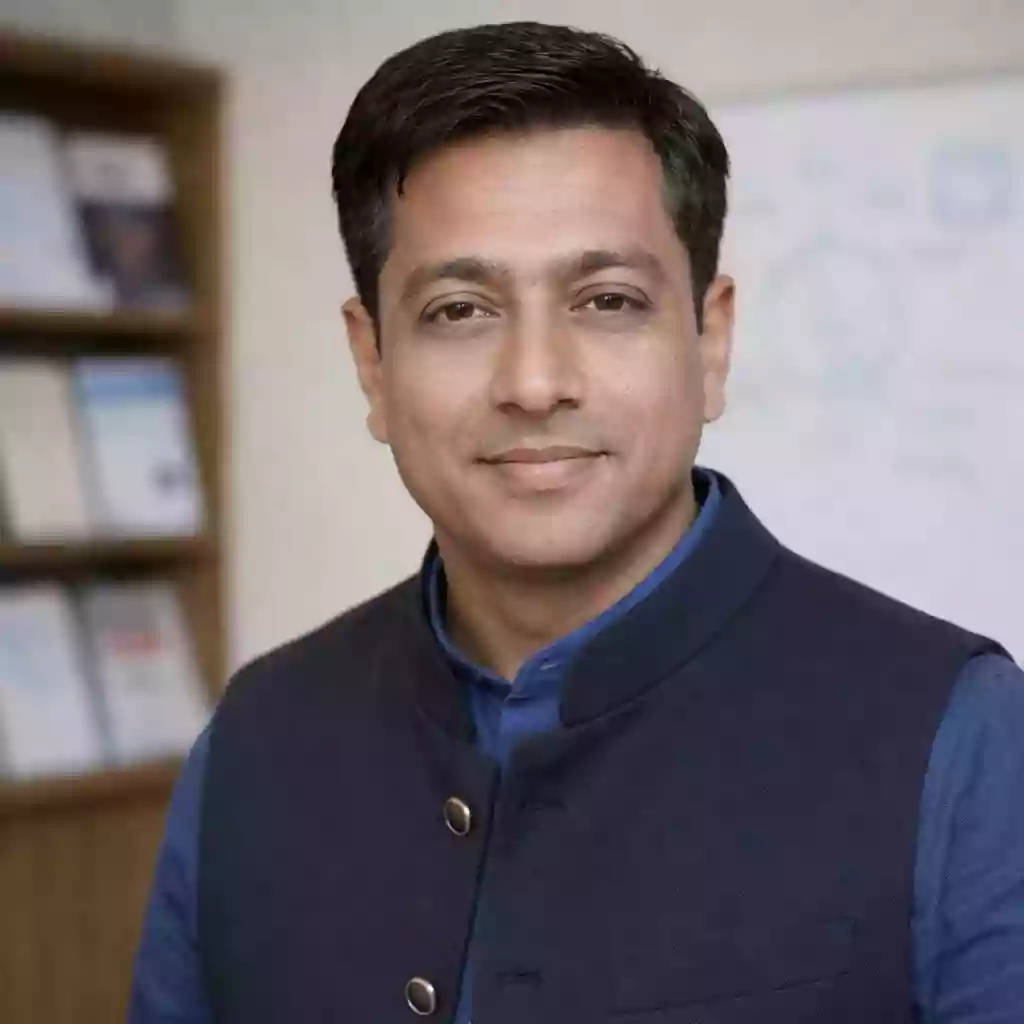
Imran Shahzad, M.Sc. Psychology (BZU, 2012), shares real-world mental health tips and emotional guidance in simple English for everyday South Asian readers. He worked closely with individuals facing grief, emotional loss, and life transitions, translating real-world psychological experiences into practical guidance for everyday readers.