Organizational Psychology

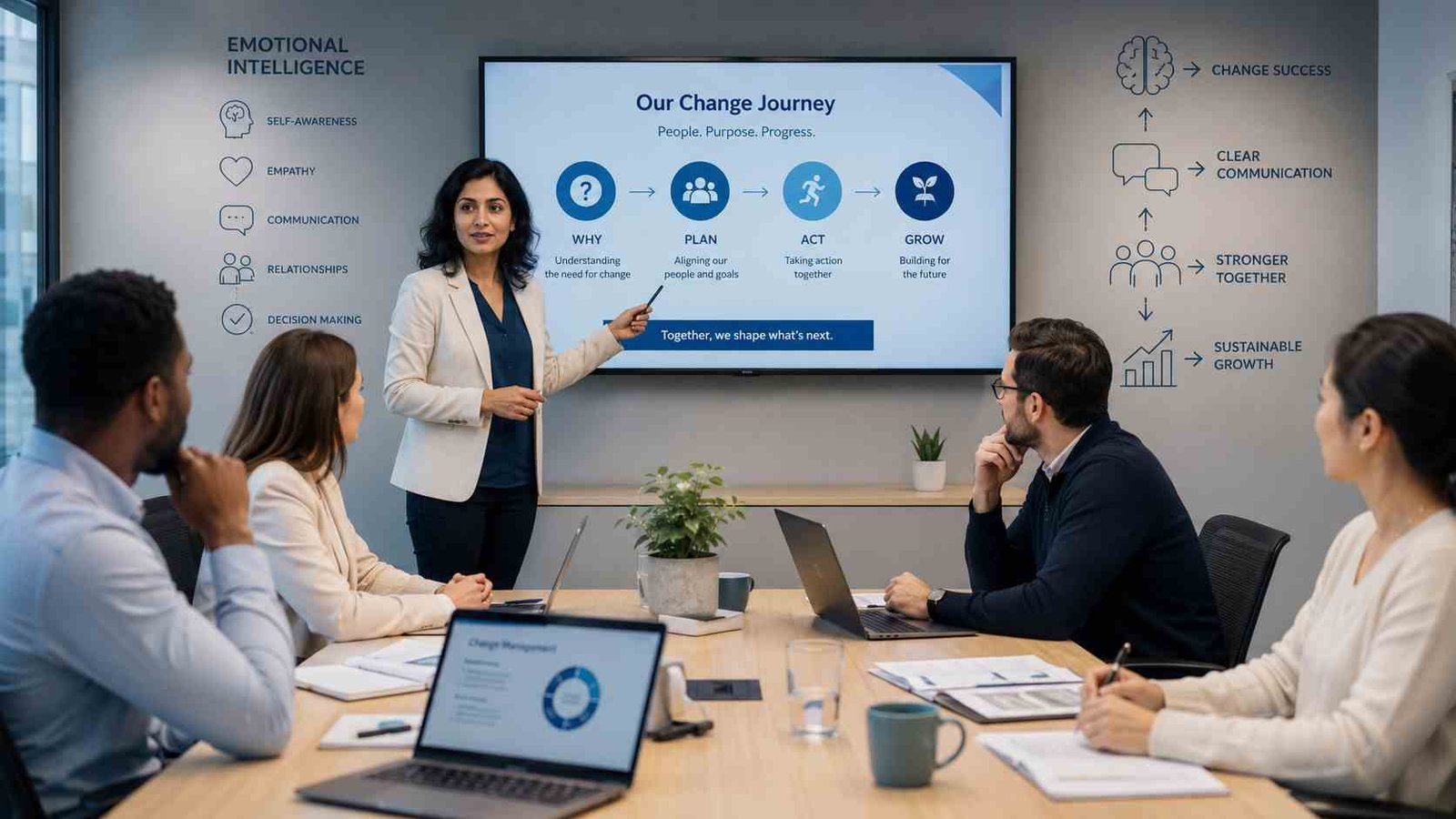
Team discussing psychological strategies for effective change management in the workplace

Psychological Strategies for Effective Change Management at Work

Organizations today face constant pressure to adapt. New technology, economic uncertainty, artificial intelligence, remote work, and changing employee expectations are reshaping workplaces around the world. Yet research repeatedly shows that most organizational change efforts fail because leaders focus only on systems, policies, and targets while ignoring human psychology. A study published by McKinsey found that … Read more

Psychology and Employee Productivity at Work

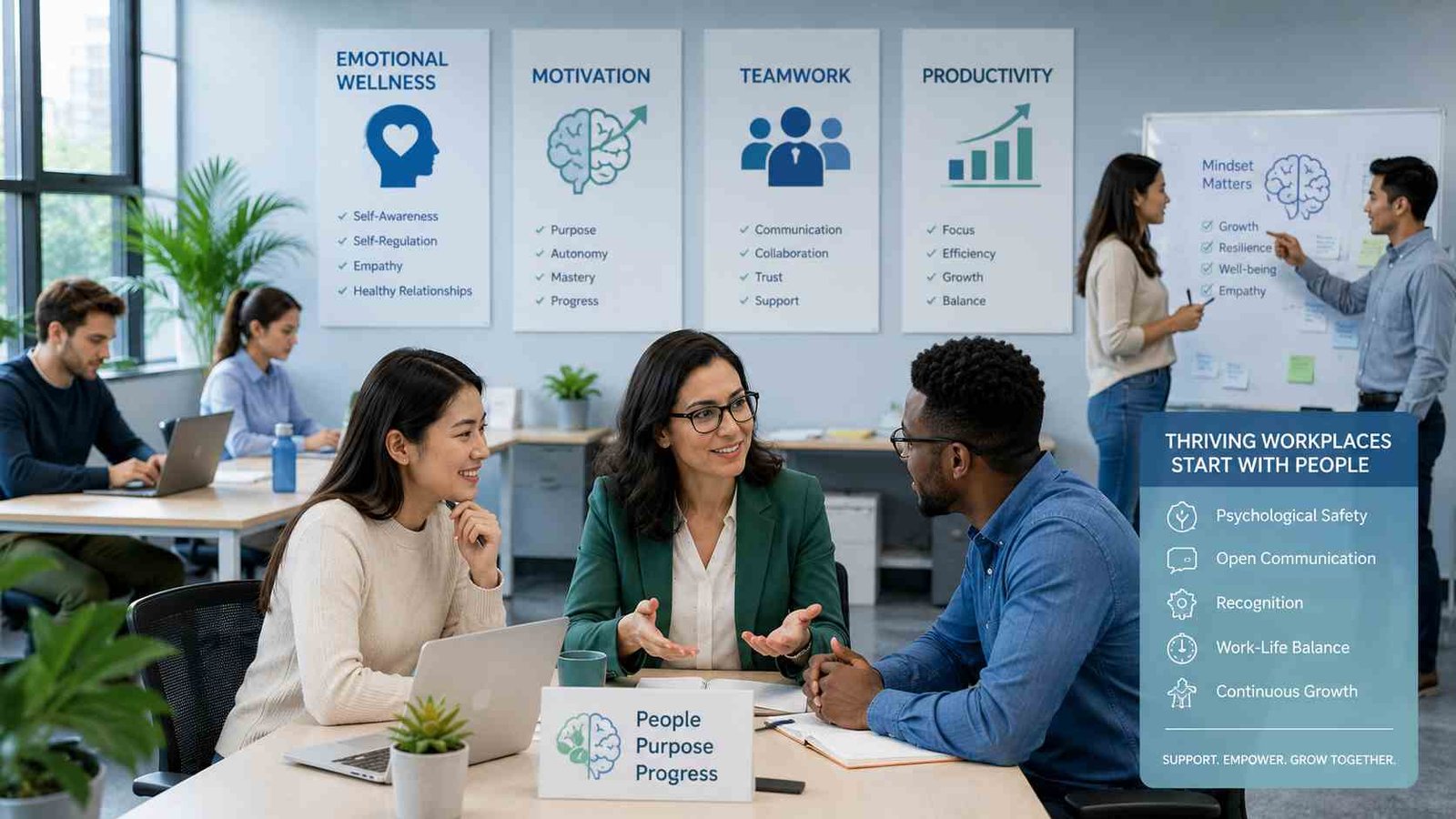
The Role of Psychology in Enhancing Employee Productivity

Modern workplaces are changing fast. Companies invest heavily in technology, automation, and performance systems, yet many still struggle with low employee motivation, burnout, and poor teamwork. Here’s what matters: productivity is not only a business issue. It is deeply connected to human psychology. A report from the World Health Organization estimated that depression and anxiety … Read more

Employees experiencing fairness and trust in workplace

The Impact of Organizational Justice on Employee Behavior

Employees do not simply work for salaries. They also work for respect, fairness, trust, and emotional security. In many workplaces, people quietly judge whether managers treat employees equally, whether rewards are fair, and whether leadership communicates honestly. These daily experiences shape employee behavior more than many organizations realize. Research in organizational psychology consistently shows that … Read more

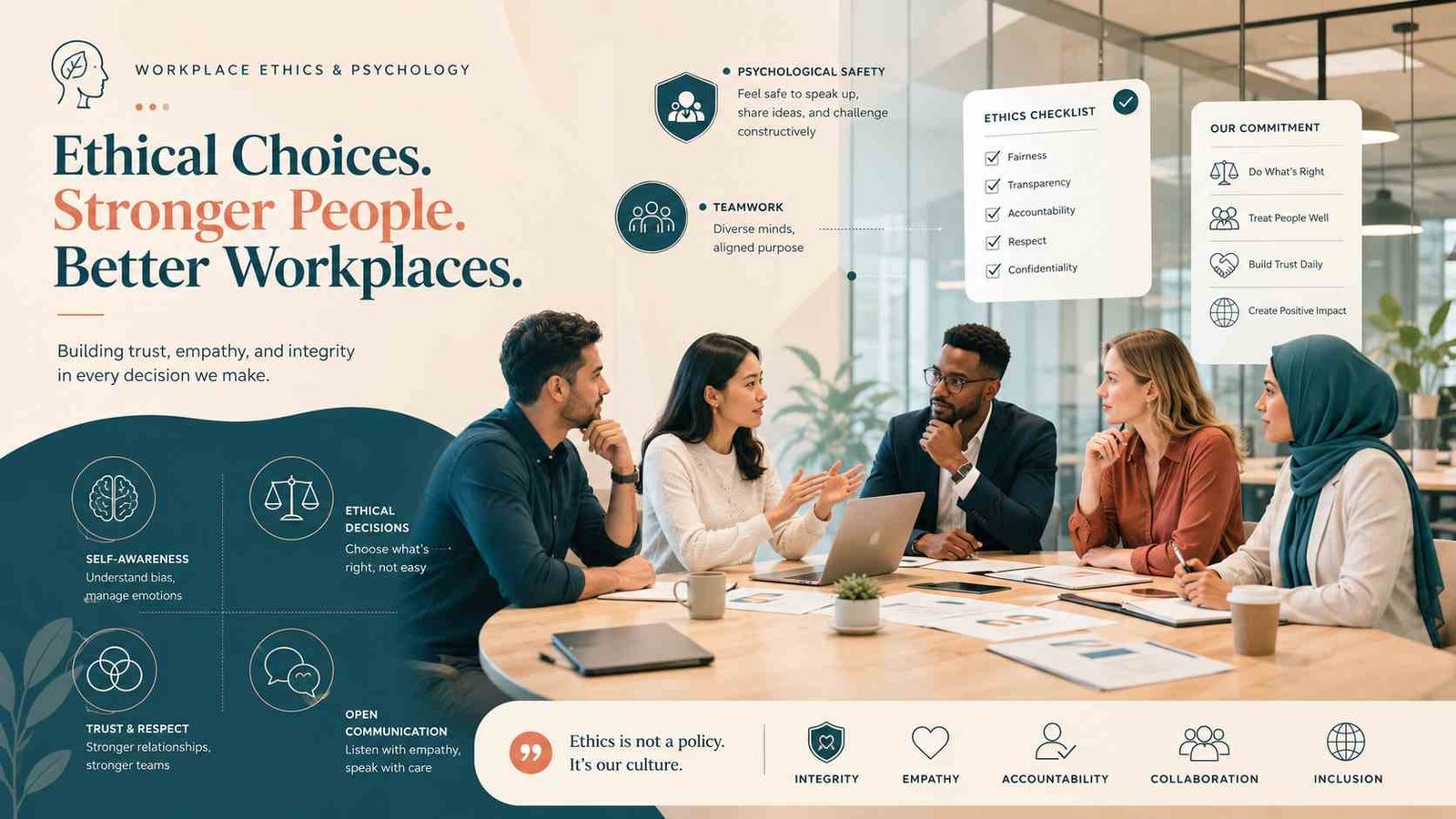
The role of psychology in workplace ethics

The Role of Psychology in Workplace Ethics and Compliance

The role of psychology in workplace ethics and compliance is to help organizations understand how human behavior, emotions, stress, leadership, and workplace culture affect ethical decision-making. Psychology improves trust, communication, psychological safety, and accountability, helping companies create healthier and more responsible work environments. As workplaces become more digital and global, psychological understanding is becoming essential … Read more

Psychological Assessments in Employee Selection

The Role of Psychological Assessments in Employee Selection

Psychological assessments in employee selection are standardized tools used to evaluate abilities, personality, and behavior relevant to job performance. They matter because modern hiring demands accuracy, fairness, and predictive decision-making. As workplaces become more complex, these assessments are increasingly integrated with data-driven HR systems to support ethical, evidence-based hiring and long-term employee development. The Role … Read more

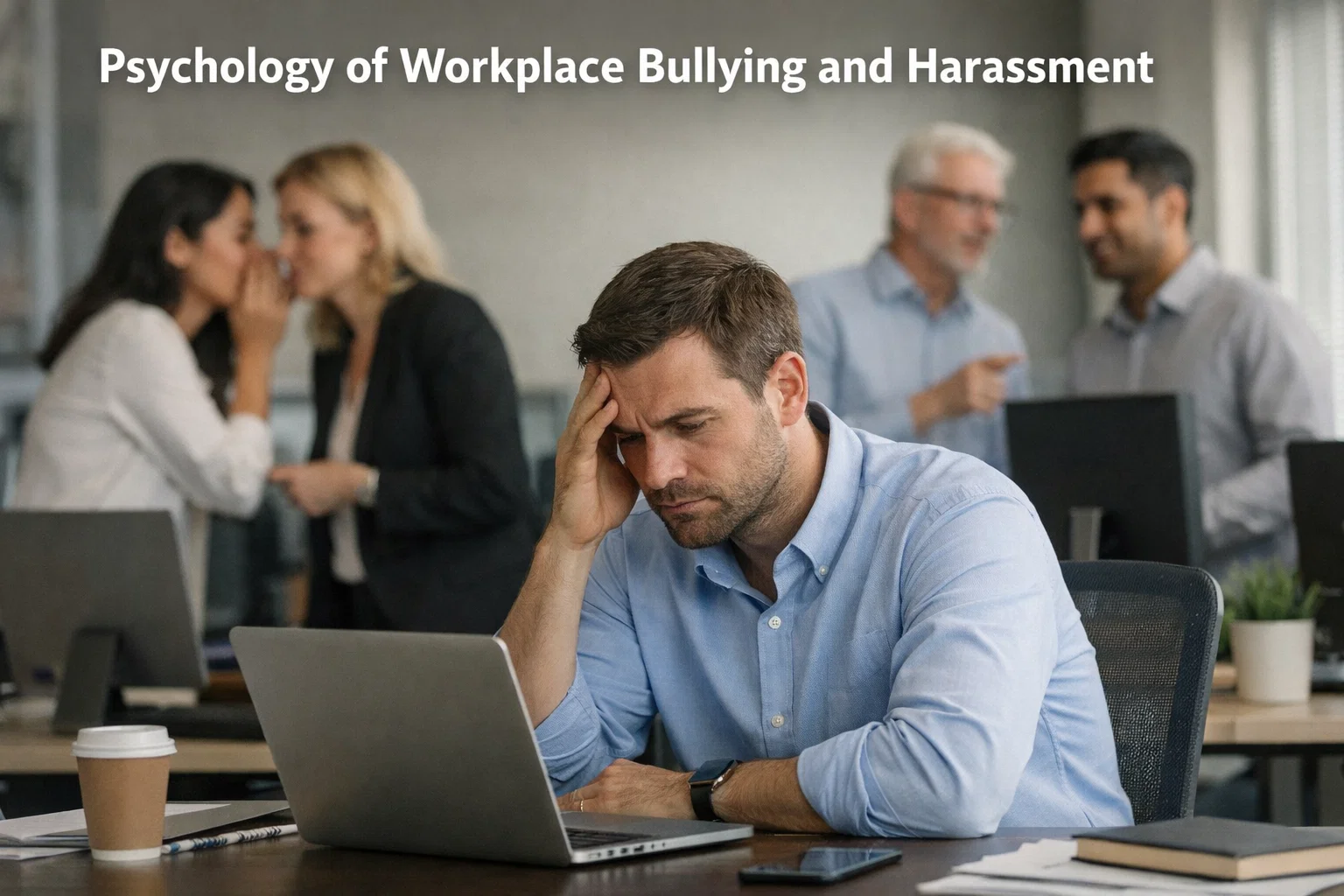
Psychology of Workplace Bullying and Harassment

The Psychology of Workplace Bullying and Harassment Explained

The psychology of workplace bullying and harassment studies how repeated hostile behavior, power imbalance, and fear affect mental health at work. It matters today because toxic workplaces increase stress, anxiety, and burnout worldwide. Research now focuses on prevention, psychological safety, and organizational accountability to reduce long-term harm. The Psychology of Workplace Bullying and Harassment Workplace … Read more

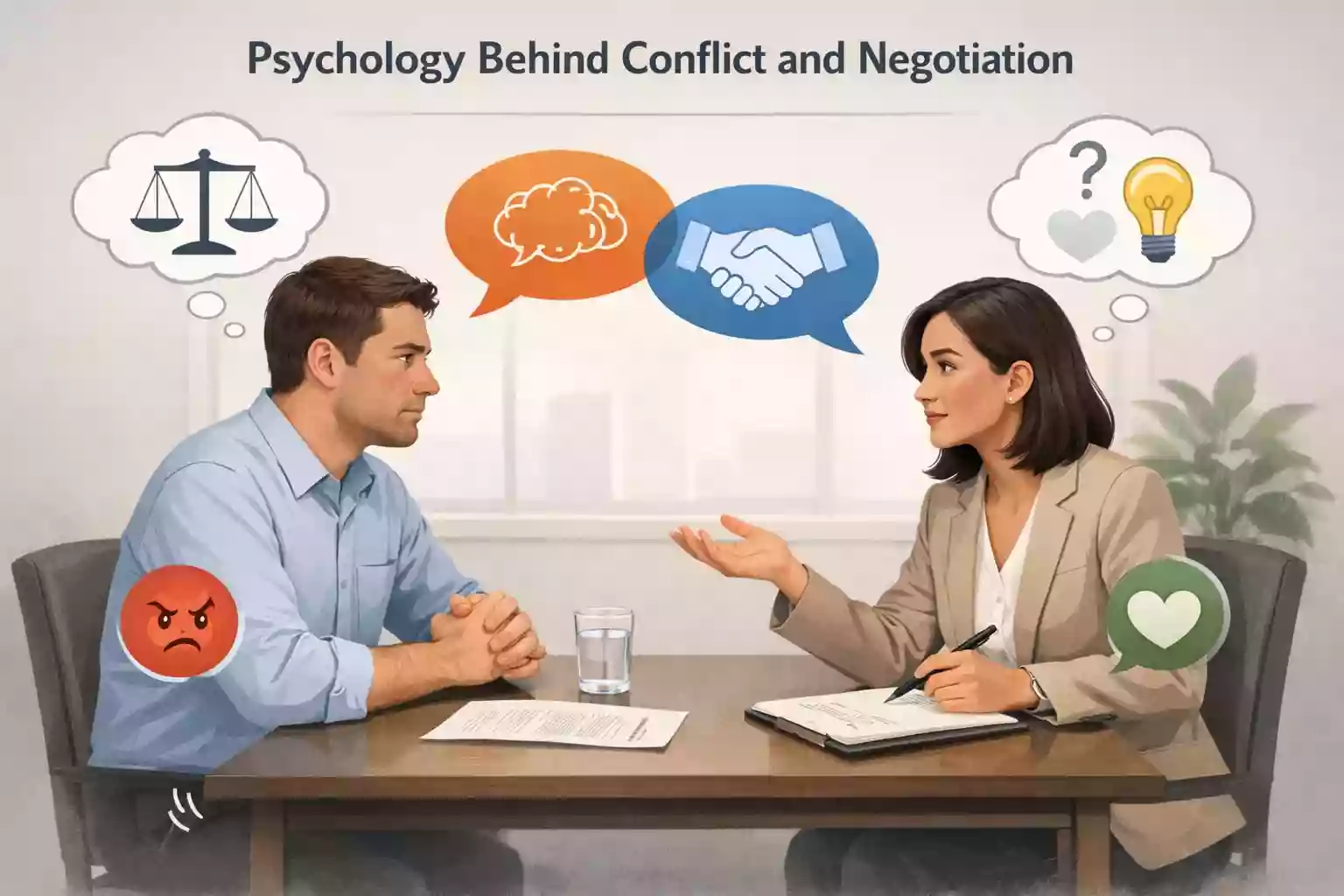
Psychology Behind Conflict and Negotiation

The Role of Psychology in Conflict and Negotiation Strategies

The role of psychology in conflict and negotiation strategies explains how emotions, perception, and thinking patterns shape disagreements and agreements. It matters today because conflicts are increasing in workplaces, families, and societies. Psychology-based negotiation focuses on emotional regulation, empathy, and fairness, making future conflict resolution more cooperative and sustainable. Conflict is not a flaw in … Read more

Psychological Contract and Employee Behavior

The Impact of Psychological Contract on Employee Behavior

The psychological contract is the unwritten set of expectations between employees and employers. It matters because it directly shapes trust, motivation, and behavior at work. When expectations are met, performance and commitment rise. When they are violated, disengagement and turnover increase. Modern workplaces must manage these expectations carefully. The Impact of Psychological Contract on Employee … Read more

Psychology Behind Organizational Innovation

The Psychology Behind Organizational Innovation and Creative Workplaces

The psychology behind organizational innovation explains how human behavior, motivation, emotions, and social dynamics shape innovation in workplaces. It matters today because innovation depends more on mindset and culture than technology alone. Future organizations will rely increasingly on psychological safety, learning behavior, and emotionally intelligent leadership to sustain innovation. The Psychology Behind Organizational Innovation Organizations … Read more